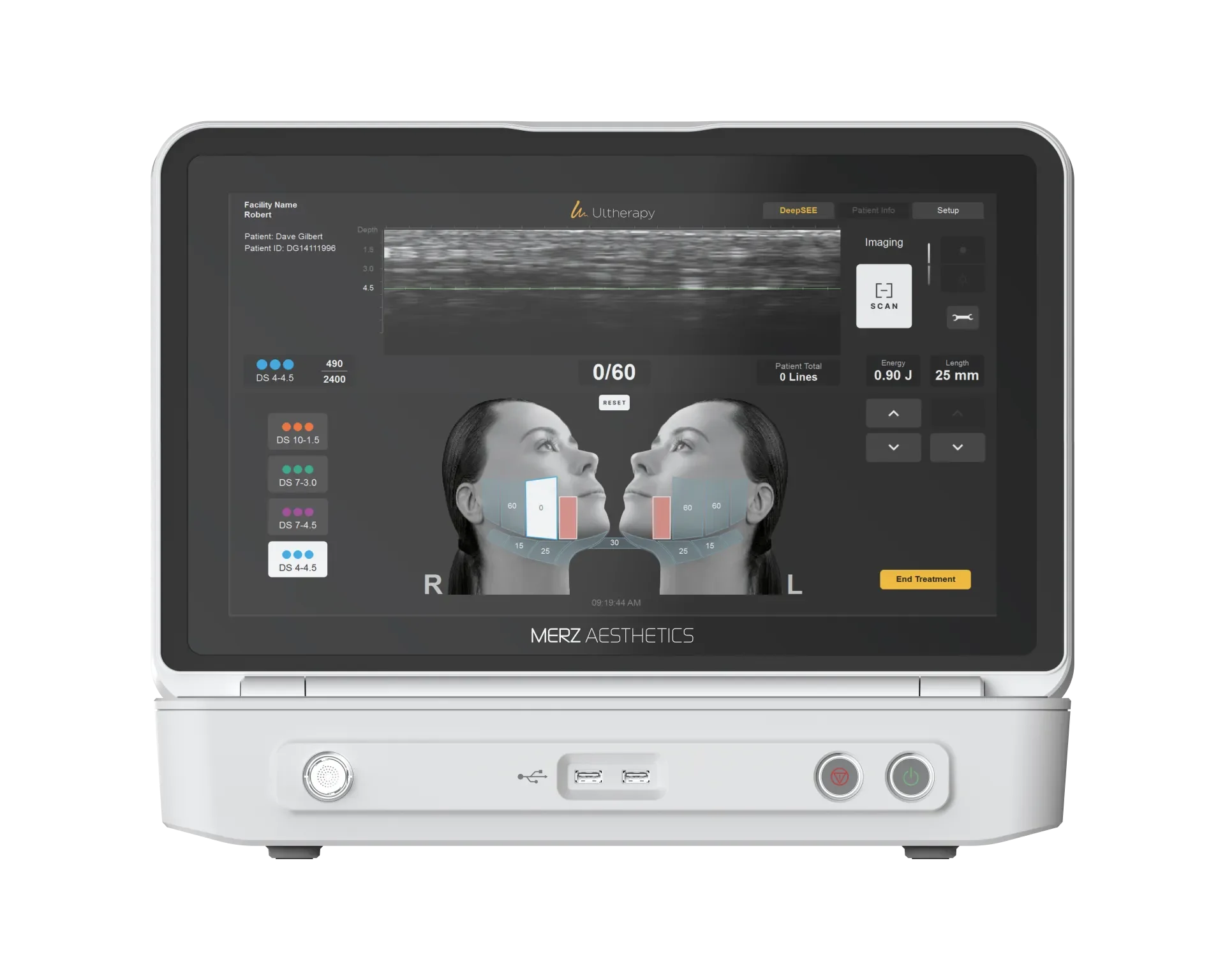
Treatment Guide
International Press Reception of Korean Ultherapy
A read across US, European, Japanese, and Australian English-language media coverage of the Korean Ultherapy market — which angles the international press gets right, which oversimplifications recur, and how to read a Korean medical-tourism feature as an informed patient.
The Korean Ultherapy market is now sufficiently established that international press coverage no longer reads as novelty reporting; it reads as ongoing-beat coverage, the way the international press covers any specific medical-tourism procedure that has crossed from emerging to mature. US beauty and travel magazines have been writing about Korean Ultherapy in some form since roughly 2017, with the pace picking up after the Ultherapy PRIME platform rollout from 2022. European wellness and beauty press has been steadier and slightly more skeptical, with British and German features tending toward longer-form context and clinical-evidence framing. Japanese long-form magazines have a different angle entirely — closer cultural proximity, more attention to the visit logistics and Japanese-language coordinator infrastructure, less novelty framing. Australian medical-tourism reporting splits roughly between general travel-feature coverage and dedicated medical-tourism trade press, with attention to the Sydney-Seoul flight logistics that the US press largely ignores. This page walks through the international press reception by region, flagging the recurring angles each market tends to use, the oversimplifications that show up regardless of outlet, and the underlying clinical and regulatory facts (FDA clearance, MFDS regulation, KHIDI registry) that the better features get right and the weaker features skip. It is not a press-clippings summary; it is a guide for the international patient reading any Korean Ultherapy feature to know which parts to trust, which to investigate further, and which to discount. Y'all, this is the page you read after you have started seeing Korea Ultherapy features pop up in your magazine subscriptions and you want to know how to read them.
US press — beauty, travel, and lifestyle coverage
US press coverage of Korean Ultherapy clusters into three editorial categories with substantially different framings. Beauty press (the long-running magazine titles and their digital descendants) tends to lead with the procedure novelty angle — what is different about Korean Ultherapy versus the US Ultherapy procedure most American readers already know about — and to anchor the feature on a writer's first-person trip narrative. The Ultherapy PRIME platform versus legacy Ulthera distinction, which is one of the more substantive technical points for a patient considering the trip, often appears only in passing or not at all; US beauty press features more often emphasize the cost differential (Korean clinics priced at 40-60 percent of comparable US clinics) and the consult-room experience differences. Travel press covers Korean Ultherapy as part of broader medical-tourism features, typically pairing the procedure with shopping, food, and Seoul itinerary angles; the clinical detail in travel press features is consistently thinner than beauty press, but the visit logistics (flight options, neighborhood selection, recovery setting) get more careful attention. Lifestyle press (the newer digital outlets oriented toward beauty-and-wellness crossover) tends toward shorter features with more attention to the social-media-visibility angle of the procedure, which is the weakest editorial framing for a serious patient research process. The recurring oversimplification across US press regardless of category is conflating Ultherapy PRIME and legacy Ulthera; the better features distinguish the platforms, the weaker features treat them as interchangeable.
European press — UK, Germany, France skeptical and long-form
European English-language press on Korean Ultherapy reads differently from US coverage in a structurally consistent way. UK features (broadsheet wellness sections and the longer-form beauty magazines) tend toward a slightly more skeptical opening framing — the writer often spends the first third of the feature questioning whether the trip is worth the friction, before arriving at a qualified positive verdict in the second half. German features, when they cover Korean Ultherapy, tend to lead with the regulatory and clinical-evidence angle, often citing the MFDS clearance and the European medical-device equivalents alongside the procedure narrative. French press coverage is the most variable of the European markets, with some features hewing closely to the US beauty-press template and others taking a notably more analytical, sociological angle on the rise of Korean medical tourism. What the European features generally get right that US features often skip is the regulatory framing — Korean MFDS clearance is a substantive regulatory hurdle, and a clinic operating with KHIDI registration is operating under a real registration regime, not a marketing claim. What the European features generally underweight is the practical-logistics layer (flight options from continental Europe to Seoul Incheon, neighborhood selection within Seoul, the verification protocol for confirming Ultherapy PRIME versus legacy Ulthera before booking).
Japanese long-form press — cultural proximity, logistics depth
Japanese press coverage of Korean Ultherapy occupies a different editorial position because of the underlying cultural and logistical proximity. The Tokyo-Seoul flight is roughly two and a half hours, which is shorter than several intra-Japan domestic routes; the cultural familiarity with Korean dermatology brands is a generation deeper than in any Western market; and a substantial share of Korean dermatology clinics with international-patient desks have Japanese-language coordinators on staff. Japanese long-form magazine features on Korean Ultherapy therefore skip the novelty framing entirely and treat the procedure as an established part of the Korea-Japan beauty-travel circuit. The editorial emphasis shifts toward the practical detail: how the Tokyo-based reader books and verifies, which Seoul neighborhoods serve Japanese-language coordination most reliably, how the post-procedure recovery sets up for the return flight to Haneda or Narita, and which clinics have been longest-tenured in Japanese-patient service. Japanese press features also tend to engage more carefully with the platform generation question (Ultherapy PRIME versus legacy Ulthera) than most Western coverage, because the Japanese reader audience has been exposed to the procedure for long enough to know the question matters. What Japanese press features sometimes underweight is the comparative cost framing that dominates US coverage — Tokyo Ultherapy pricing is closer to Korean pricing than New York Ultherapy pricing is, so the cost-savings narrative is less central to the Japanese feature.
Australian press — medical-tourism trade and travel feature mix
Australian English-language press on Korean Ultherapy splits across two distinct editorial channels. Mainstream travel and lifestyle press covers Korean Ultherapy as part of broader Korea-tourism and beauty-tourism features, with the editorial framing similar to US travel press — first-person narrative, neighborhood and food coverage, procedure detail as one component of a multi-day itinerary. Australian medical-tourism trade press, which operates as a smaller but more specialized editorial ecosystem, covers Korean Ultherapy with substantially more attention to the practical infrastructure: KHIDI-registered facilitator networks, verified-coordinator clinics, the Australian-to-Korea flight options (Sydney-Incheon and Melbourne-Incheon direct, plus regional connection routes), and the comparative regulatory framing between Korean MFDS clearance and Australian Therapeutic Goods Administration registration of equivalent devices. The Australian medical-tourism trade press is generally more useful for the serious patient research process than the mainstream travel coverage, but it has thinner reach. What Australian press features generally get right is the flight-logistics layer, which is genuinely different from the US patient profile — a Sydney-Seoul return is a longer journey with different scheduling implications than a Los Angeles-Seoul return, and the press coverage reflects that. What Australian press features sometimes underweight is the platform-generation question, similar to the US press.
Recurring oversimplifications across all international press
Across all four international press regions, three editorial oversimplifications recur with enough frequency to flag explicitly. One: conflating Ultherapy PRIME and legacy Ulthera as the same procedure on the same machine, when the actual device generation, imaging precision, and in-room experience differ meaningfully and the Korean published-price differential between the two is 15-25 percent. Two: treating 'Korean Ultherapy' as a single uniform product when the variation across Korean clinics is substantial — Cheongdam-Apgujeong-Sinsa cluster runs current PRIME hardware at the top of the won pricing band, Myeongdong and Hongdae run mixed platform generations at mid-tier pricing, regional cities run more variable equipment with thinner English-language coordination. Three: underweighting the verification protocol — the WhatsApp message that confirms device generation, authorized-provider designation, and written price quote before the patient books the flight is one of the highest-leverage steps in the trip preparation, and most press features mention it only in passing or not at all. The serious patient research process should treat international press features as one input among several rather than as the verification step.
- Conflation — Ultherapy PRIME and legacy Ulthera treated as interchangeable
- Uniformity — 'Korean Ultherapy' framed as a single product, ignoring district-level variation
- Verification — written confirmation of device generation and price often skipped
- Useful framing — regulatory layer (MFDS, KHIDI, FDA) appearing in better features
- Underweighted — practical logistics layer (flight options, neighborhood selection)
International press coverage at a glance
International press reception of Korean Ultherapy by region, with typical editorial emphasis, strengths, and recurring blind spots. Categorical guidance for reading a feature as an informed patient, not a press-coverage scorecard.
| Region | Editorial emphasis | Typical strength | Recurring blind spot |
|---|---|---|---|
| US (beauty, travel, lifestyle) | First-person trip narrative, cost-savings framing | Cost differential and visit-experience detail | PRIME vs legacy Ulthera conflation |
| UK and continental Europe | Skeptical opening, regulatory and clinical-evidence framing | MFDS and regulatory context | Practical logistics and verification protocol |
| Japan (long-form magazines) | Practical detail, neighborhood and coordinator infrastructure | Platform generation and verification depth | Cost-savings framing less developed |
| Australia (travel + medical-tourism trade) | Flight logistics, KHIDI facilitator network detail | Sydney-Seoul logistics and regulatory comparison | Platform-generation question underweighted |
How to read a Korean Ultherapy press feature as an informed patient
Three editorial checks turn a Korean Ultherapy press feature from impressionistic reading into useful research input. One: scan for the platform generation language. Does the feature name Ultherapy PRIME explicitly, or does it use generic 'Ultherapy' language; the better features distinguish the two and reference the 2022+ rollout, the weaker features treat them as interchangeable. Two: scan for the regulatory framing. Does the feature mention MFDS clearance, KHIDI-registered facilitator infrastructure, or FDA clearance of the platform; features that engage the regulatory layer generally engage the clinical layer with more care, features that skip the regulatory layer often skip the clinical detail as well. Three: scan for the verification protocol. Does the feature describe how the writer confirmed device generation, authorized-provider designation, and written price quote before booking; the inclusion of a verification step is one of the strongest signals that the feature is reporting on a serious research process rather than narrating a sponsored visit. A feature that passes all three checks is worth reading in full; a feature that fails all three is worth scanning for visit-logistics detail and then setting aside. The international press is one input among several in the trip-preparation process; the verification step is non-substitutable, regardless of how many features you read.
“International press coverage of Korean Ultherapy is now a regular editorial beat across four major markets, but the press is one input among several in the trip-preparation process. The verification step — written confirmation of device generation, authorized-provider designation, and price — is non-substitutable, regardless of how many features you read.”
Sarah Mitchell, Korea Ultherapy international press-reception field notes
Frequently asked questions
Are any of these international press features sponsored or paid for by Korean clinics?
Some are, some are not, and the disclosure varies by outlet and region. US press generally has the most established sponsorship disclosure conventions; UK and European press varies; Japanese long-form magazines and Australian trade press sometimes carry sponsorship arrangements with less prominent disclosure. The reading check is to look for editorial-quality signals (regulatory framing, platform-generation distinction, verification-protocol description) rather than to rely on sponsorship disclosure alone. A sponsored feature with strong editorial signals can still be useful; an unsponsored feature with weak editorial signals is worth less.
Does the international press distinguish between Ultherapy and other ultrasound-lifting devices like Sofwave?
Inconsistently. The better features distinguish micro-focused ultrasound (Ultherapy and PRIME at the SMAS layer) from synchronous ultrasound (Sofwave at a more superficial depth) as different mechanisms with different protocols. The weaker features collapse all ultrasound-lifting devices into a generic 'ultrasound' category. The mechanism difference is real and matters for the patient choosing between procedures; if a feature blurs the distinction, treat it as a less-careful source on technical questions.
Why does Japanese press cover Korean Ultherapy so differently from US press?
Because the underlying market position is genuinely different. Korean Ultherapy is a regular, established part of the Tokyo-Seoul beauty-travel circuit, not a novelty trip; the cultural familiarity with Korean dermatology brands is a generation deeper; and the flight logistics are shorter than several intra-Japan domestic routes. The editorial framing reflects the market position rather than choosing a different angle for stylistic reasons.
Has international press coverage shifted since the Ultherapy PRIME rollout from 2022?
Yes, gradually. Press features from 2023-2026 increasingly distinguish PRIME from legacy Ulthera, reference the higher-resolution real-time imaging, and discuss the platform-generation question as a substantive choice for the patient. Press features from 2017-2021 generally treated 'Ultherapy' as a single product. If you are reading a feature, check the publication date — a 2018 feature may have been substantively accurate at publication but is no longer current on the platform question.
Does the Korean government promote Ultherapy specifically as a medical-tourism procedure?
Korea promotes medical tourism broadly through KHIDI (the Korea Health Industry Development Institute) and the Korea Tourism Organization, but the procedure-specific promotion is generally handled by the manufacturer (Merz Aesthetics) rather than the Korean government directly. The KHIDI registration regime for foreign-patient-attraction facilitators is real regulatory infrastructure, not a marketing claim; KHIDI-registered facilitators operate under a registration number framework that is verifiable. Better international press features reference this regime; weaker features treat the medical-tourism market as informal when it is not.
Is there international medical-journal coverage of Korean Ultherapy specifically, separate from press features?
Yes — the peer-reviewed dermatology literature includes Korean clinical research on micro-focused ultrasound applications, much of it published in English-language dermatology journals. The medical-journal coverage operates as a separate evidence layer from the press features and is more useful for the patient interested in the underlying clinical evidence. Both the US FDA clearance pathway and the MFDS clearance pathway draw on this clinical evidence base. Better international press features sometimes cite the journal coverage; most do not.
How can I find recent international press coverage to read for myself?
Search the major English-language beauty, travel, and wellness publications for 'Korea Ultherapy' or 'Seoul Ultherapy' with a date filter to the last 18-24 months. The current-cycle features will distinguish Ultherapy PRIME from legacy Ulthera; older features may not. Apply the three editorial checks described in the section above (platform generation, regulatory framing, verification protocol) to each feature you read. The volume of coverage is sufficient that triangulating across three to five features from different regions will surface most of the substantive points without requiring exhaustive reading.