Editorial Picks
Ten Specialty Coffee Roasters Worth Your Visit in Seoul
A citywide editorial map across Yeonnam, Hongdae, Apgujeong, Sinsa, and Euljiro — third-wave roasters, concept-cafe flagships, and the Hipjiro old-Seoul holdouts that defined the modern Korean cafe.
Seoul became a serious coffee city the way most third-wave capitals do — slowly, and then all at once. The current density of independent roasters across the Mapo and Yongsan corridors did not exist in 2009, when Coffee Libre opened in Yeonnam and Korea registered its first Q-grader. Sixteen years later, the city now operates several distinct coffee geographies that an editorially literate visitor can map in a single trip: the third-wave roastery belt around Yeonnam and Hapjeong, the concept-cafe district anchored by Gentle Monster's Haus Dosan in Apgujeong, the design-led flagships south of Garosu-gil, and the Hipjiro old-Seoul carryover venues in the printing alleys of Euljiro. The list below is not a ranking. It is a citywide editorial map of ten venues organised by geography, with each entry positioned as a Featured pick (A through J) rather than a numbered placement. Each venue earns its place either through documented influence on Korean specialty coffee (the Coffee Libre and Fritz tier), through a defining architectural or design contribution (Anthracite, Nudake, Tongue Planet), or through the kind of editorial fixture status that survives a half-decade of cafe-hopping content cycles (Sikmul, Coffee Hanyakbang). Sources at each entry are documented; a methodology block at the foot of the page explains how the ten venues were chosen. Visitors travelling between districts can pair coffee stops with the Han River park walks, the Bukchon hanok corridor, or a midday palace visit; the related itineraries on this site connect the routes.
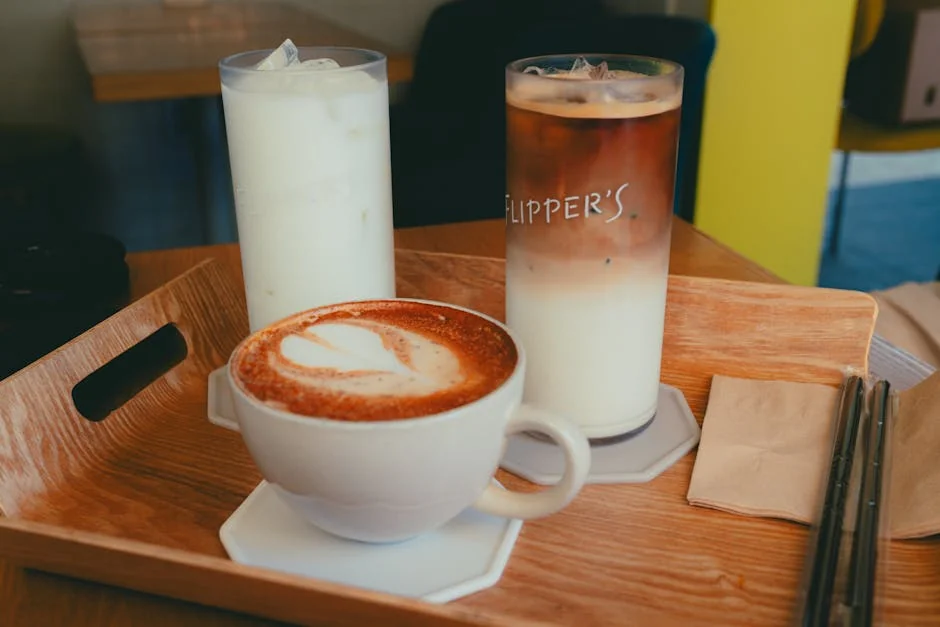
What separates a Seoul third-wave roaster from a chain
A Seoul third-wave specialty roaster is a single-operator or small-group venue that sources green coffee directly or through a documented importer relationship, roasts in-house or through a parent roastery, and serves filter coffee or espresso with provenance information available on request. The category emerged in Korea around the late 2000s, with Coffee Libre's 2009 Yeonnam opening the most-cited founding event in Korean coffee writing. By the mid-2010s the third-wave roaster category had become geographically concentrated in three Mapo-gu sub-districts — Yeonnam-dong, Hapjeong-dong, and Dohwa-dong — together with smaller secondary clusters in Hannam-dong (Yongsan-gu) and the Cheongdam-Apgujeong corridor of southern Seoul. The distinction between a third-wave roaster and a Korean chain is functional rather than aspirational: a chain operates standardised drink ratios and supplier-blended beans across many locations; a third-wave roaster controls the entire arc from green-bean purchase through roast profile to cup, and the operator can usually answer a question about origin lot, processing method, and roast date without checking a binder. The 2023 Korean Barista Award recognises both the chain category and the independent-bar category separately, which is itself a useful signal of how distinct the two operating models have become.
- Direct or documented green-bean sourcing relationship
- In-house or parent-roastery roasting program
- Single-origin or documented blend with origin transparency
- Operator able to discuss origin lot, processing, roast date
- Independent bar program separate from chain operations

Ten Seoul specialty roasters worth your visit
Featured picks A through J, organised by geography rather than ranking — Yeonnam and Mapo first, then the Apgujeong concept-cafe district, then the Euljiro Hipjiro carryover venues. Each entry includes neighbourhood, founding context where documented, signature offering, and an editorial reason it merits a place on a citywide map. Not ranked.
Featured A — Coffee Libre (Yeonnam-dong)
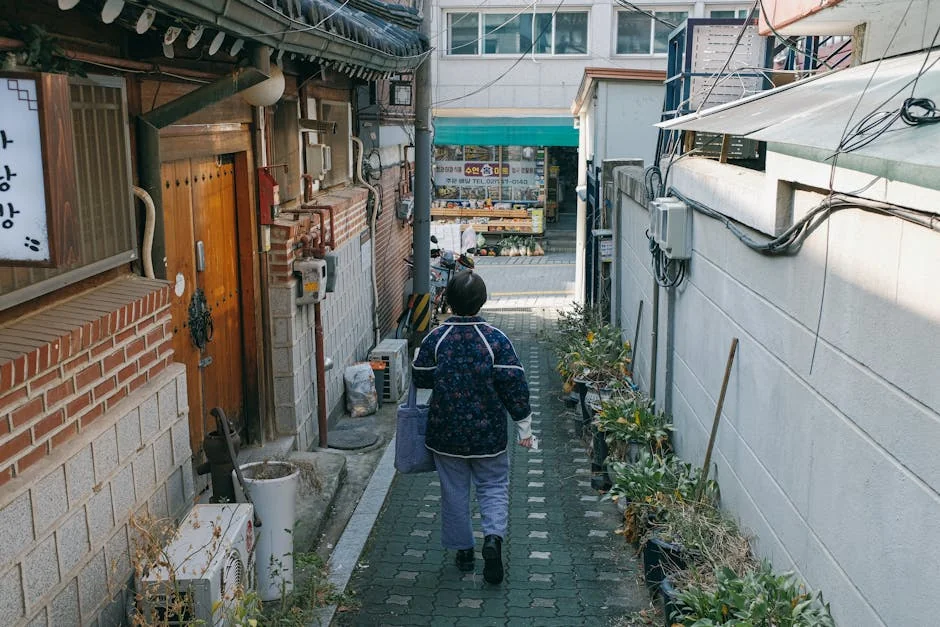
Coffee Libre opened in Yeonnam-dong in 2009 under founder Seo Pil-hoon, recorded as Korea's first Q-grader, and is consistently cited as the venue that effectively launched the Korean third-wave roasting movement. The Yeonnam mothership remains modest — small footprint, no concept-cafe theatrics, a single-origin pour-over menu rotated by season — and the operator continues to supply green beans to a number of other roasters in the Seoul third-wave network. Coffee Libre's signature is the absence of design-led overproduction: the cup is the point. International press coverage in Sprudge, Korea Experience, and Things Nomads Do has treated the venue as the foundational reference point for the rest of the Seoul third-wave map, which is why it leads this list.
Featured B — Fritz Coffee Company (Dohwa-dong, Mapo-gu)
Fritz Coffee Company occupies a converted mid-1950s mansion at 17 Saechang-ro 2-gil in Dohwa-dong, a short walk from the Hongdae cluster but functionally a destination of its own. The hybrid roastery-bakery-brunch operating model is the venue's distinguishing contribution to Korean cafe culture, and the seal-logo merchandise has acquired a collector-item character that Tripadvisor and Daniel Food Diary have documented over multiple coverage cycles. Weekend wait times are notorious. The Dohwa-dong flagship is the address that matters; despite recurring confusion in less-careful cafe lists, Fritz does not currently operate a permanent Dosan branch.
Featured C — Anthracite Coffee Roasters (Hapjeong-dong)
The Anthracite Hapjeong branch opened inside a converted 1960s shoe factory at 10 Tojeong-ro 5-gil and is the original location in a chain that now reaches Hannam, Yeonhui, and as far as Giheung in Gyeonggi province. The architectural conversion is the venue's defining contribution to Korean cafe design — concrete, exposed beams, the industrial heritage left intentionally legible — and the editorial register set by Time Out Seoul and The Soul of Seoul has treated Anthracite Hapjeong as the touchstone for the converted-industrial-space cafe category in Korea. The pour-over flight, with beans roasted in-house, is the most cited order across English-language coverage.
Featured D — Felt Coffee (Changjeon-dong, Hongdae)
Felt Coffee operates an in-house roasting program at 2-47 Changjeon-dong in the Hongdae core, with green coffee currently documented from Brazil, Costa Rica, and El Salvador across the rotating filter menu. Retail beans sit in the 10,000 to 16,000 won per 200-gram range, which places the venue firmly in the third-wave price band rather than the chain-coffee tier. Sprudge and Wanderlog's 50-best-roasters list have both included Felt in their Seoul coverage. The Changjeon-dong room is one of the smaller seating footprints on this list — a quiet, no-theatrics space, which is the reason it stays on Korean third-wave shortlists year after year.
Featured E — Coffee Nap Roasters (Yeonnam-dong)
Coffee Nap Roasters runs an in-house roastery with a street-facing window-seating bar in Yeonnam-dong — a few minutes' walk from Hongik University Station Exit 3 and on the same Yeonnam grid as Coffee Libre. The iced latte and the single-origin filter are the recurring order in Korea Experience and Things Nomads Do coverage. The venue is one of the more pleasantly low-key picks on this list: no concept-cafe pretensions, no queue-management theatre, just a small bar with a clear roast program. For visitors who want a second Yeonnam stop after Coffee Libre on the same morning, this is the venue that the cafe-hopping editorial cycle keeps returning to.
Featured F — Tremor Coffee Works (Hongdae)
Tremor Coffee Works opened in 2023 in a comparatively hidden Hongdae location under founder Jinny Lee, who was raised in Indonesia and brings a finely tuned bar program that Korean specialty press has flagged as one of the most thoughtful 2024 to 2026 openings in the city. The venue is the newest entry on this list and is included as a deliberate marker of where the Seoul third-wave is heading after the founding wave of Libre, Fritz, and Anthracite. The interior is small, the queue is increasingly not, and Korea Experience and Things Nomads Do have both included Tremor in their post-2024 third-wave coverage.
Featured G — Nudake Haus Dosan (Apgujeong)
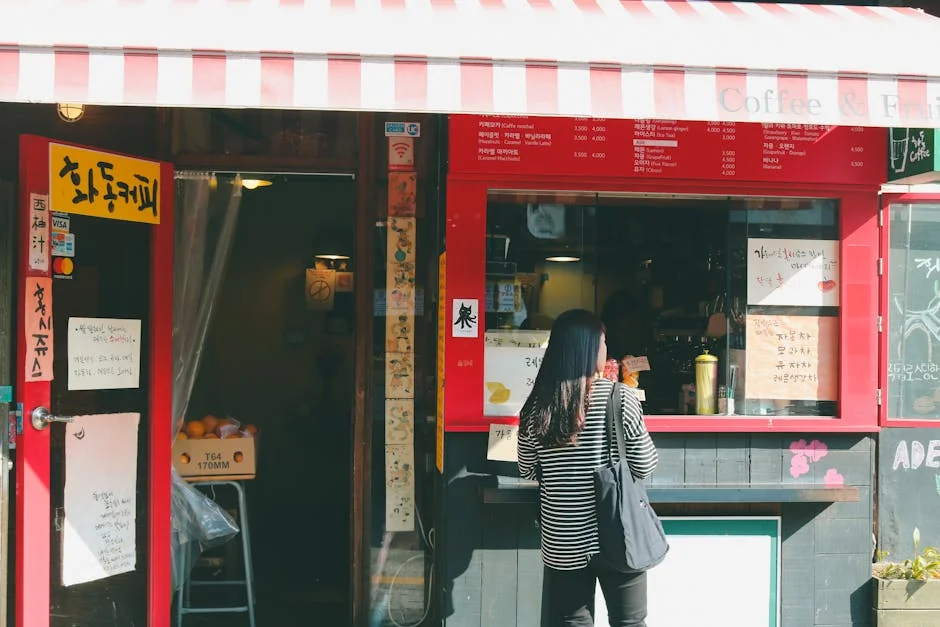
Nudake is the artisanal dessert and coffee brand of eyewear label Gentle Monster, and the flagship sits in the basement of Haus Dosan, a five-floor concept building at 50 Apgujeong-ro 46-gil that also houses Gentle Monster and Tamburins. The gallery-aesthetic basement floor and the sculpture-style dessert program have made the venue one of the most photographed cafes in Seoul, with VisitSeoul, Creatrip, and the Nudake corporate site all documenting the Dosan flagship as the most architectural of the chain. Pricing sits in the 9,000 to 18,000 won range per dessert-drink set. The room is the point as much as the cup. Walk-in only; weekend lines are real.
Featured H — Bunker Company (Apgujeong)
Bunker Company operates an in-house roastery and an industrial-style bar in the Apgujeong-Dosan corridor and was recognised with the 2023 Korean Barista Award for Best Coffee Bar. The award is the most quotable signal on this list — a domestic peer-reviewed designation specifically for bar program quality rather than design or volume — and the Korean coffee blogger community treats Bunker as one of the more serious espresso-quality picks on the Apgujeong strip. Coverage in YourLocalsGuide and Korea Travel Post has flagged the venue as a consistent fixture on Apgujeong cafe lists for coffee quality rather than for aesthetics, which is the calibration this list rewards.
Featured I — Tongue Planet (Sinsa, Garosu-gil)
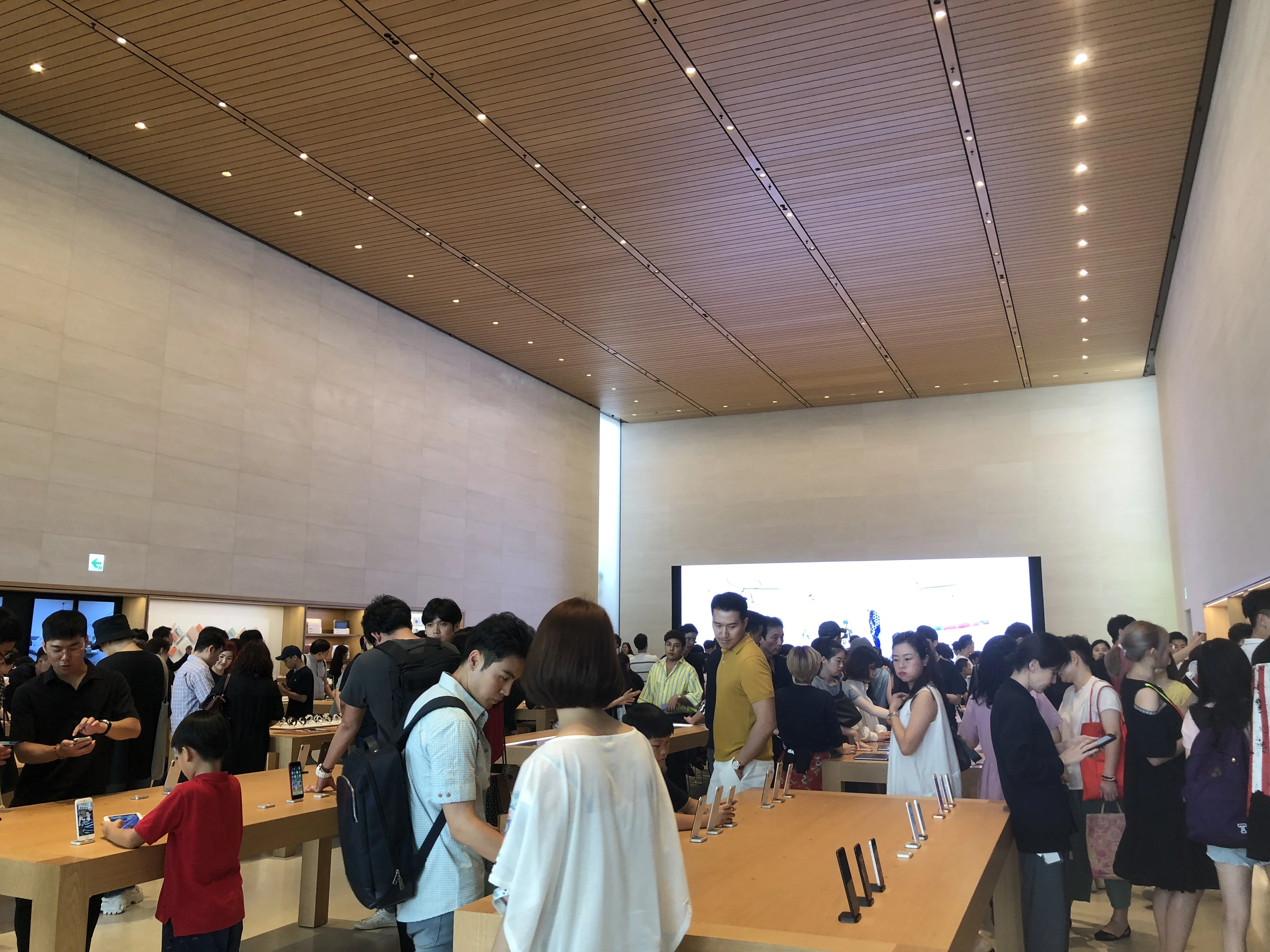
Tongue Planet is the multi-floor concept cafe operated by streetwear label Ader Error at 31 Dosan-daero 11-gil, a few minutes off Garosu-gil. The building functions as a brand showroom on the lower floors and a cafe with themed rooms and a rooftop on the upper levels, with the signature Tongue Emoji Cake the most photographed order. English-language editorial coverage from VisitSeoul and Creatrip has positioned Tongue Planet as a regular pick on the design-forward cafe-hopping circuit between Sinsa and Dosan — a brand-house format that has become its own Seoul micro-genre, and Tongue Planet remains the most-cited example of it.
Featured J — Sikmul (Euljiro 3-ga)
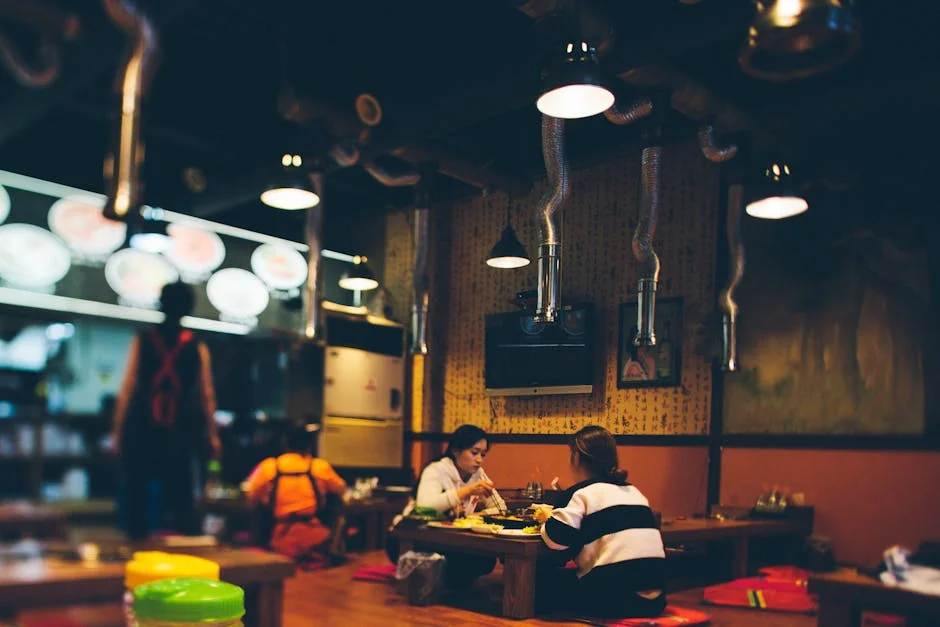
Sikmul sits on the third floor of an old Euljiro building at 78-1 Eulji-ro and is credited by Time Out Seoul and VisitSeoul as one of the early flagships of the Hipjiro movement that converted the printing-press alleys of Euljiro into the city's most influential old-Seoul cafe geography. The plant-filled cafe-bar room is closed on Sundays and runs from noon to 23:00 on operating days, with a 6,000 to 12,000 won price band. Sikmul is included here as the Hipjiro reference point for visitors who are coming north from the Yeonnam-Hongdae axis and want to see what the third-wave aesthetic looks like when it is grafted onto a 1960s printing building rather than a converted mansion or factory.
Bonus pick — Coffee Hanyakbang in the Euljiro alleys
Coffee Hanyakbang at 16-6 Samil-daero 12-gil rounds out the Euljiro side of this map as a hidden-alley hand-drip cafe styled after a traditional Korean herbal-medicine dispensary. Hours run 10:00 to 21:30 with a 5,000 to 9,000 won price band, and the venue is consistently featured in Seoul cafe guides for both interior atmosphere and coffee quality. It is included as a bonus pick rather than a tenth featured entry because the list above already covers a Euljiro Hipjiro flagship in Sikmul; visitors with a single Euljiro afternoon should weight the Sikmul-Hanyakbang pair together rather than choose between them. Both are listed in the central-Seoul section of the Visit Seoul attractions directory.
How the ten venues compare across geography and operating model
Categorical positioning across district, founding context, and editorial emphasis. Not ranked.
| Venue | District | Operating model | Editorial emphasis | Price band (KRW) |
|---|---|---|---|---|
| Coffee Libre | Yeonnam-dong (Mapo-gu) | Founding third-wave roaster, 2009 | Origin of Korean third-wave | 6,000 to 10,000 |
| Fritz Coffee Company | Dohwa-dong (Mapo-gu) | Converted-mansion roastery-bakery hybrid | Cult brand and merchandise | 7,000 to 14,000 |
| Anthracite Hapjeong | Hapjeong-dong (Mapo-gu) | Converted 1960s factory roastery | Industrial-heritage architecture | 6,500 to 12,000 |
| Felt Coffee | Changjeon-dong (Mapo-gu) | In-house roasting, retail beans | Quiet third-wave | 6,500 to 11,000 |
| Coffee Nap Roasters | Yeonnam-dong (Mapo-gu) | In-house roastery and bar | Low-key Yeonnam pair to Libre | 5,500 to 9,500 |
| Tremor Coffee Works | Hongdae (Mapo-gu) | New-generation bar program, 2023 | Post-2024 third-wave | 7,000 to 13,000 |
| Nudake Haus Dosan | Apgujeong (Gangnam-gu) | Gentle Monster dessert-cafe flagship | Concept architecture | 9,000 to 18,000 |
| Bunker Company | Apgujeong (Gangnam-gu) | Industrial-style roastery bar | 2023 Korean Barista Award | 6,000 to 10,000 |
| Tongue Planet | Sinsa, Garosu-gil (Gangnam-gu) | Ader Error brand-house concept cafe | Design-forward circuit | 7,000 to 14,000 |
| Sikmul | Euljiro 3-ga (Jung-gu) | Hipjiro converted-building cafe | Old-Seoul third-wave | 6,000 to 12,000 |
What to order at each venue
Order recommendations vary by operating model. At founding third-wave roasters such as Coffee Libre and Felt Coffee, the single-origin pour-over is the order that exposes the roast program, and asking for the current rotation is the most direct way to read the venue's sourcing approach in any given month. At converted-industrial flagships such as Anthracite Hapjeong, the pour-over flight (typically three small-format brews of different origins) is the recommended introduction, and the in-house roasted beans are available for retail purchase in the 12,000 to 16,000 won per 200-gram band. At concept-cafe flagships such as Nudake Haus Dosan, the dessert-and-coffee pairing is the entire point, and the signature Peak matcha-mountain dessert with a single-origin filter is the most documented order across English-language coverage. At Bunker Company, the espresso program is the bar's most consistent strength; the 2023 Korean Barista Award designation was specifically for bar quality, so a straight espresso or a milk-format cortado is the most informative order. At Hipjiro venues such as Sikmul and Coffee Hanyakbang, the room is part of the order — a hand-drip filter with a window seat is the standard combination that the Time Out and Visit Seoul coverage has documented across multiple years.
- Founding third-wave roasters — single-origin pour-over, current rotation
- Converted-industrial flagships — pour-over flight, retail beans option
- Concept-cafe flagships — signature dessert with filter pairing
- Award-recognised bars — straight espresso or milk-format cortado
- Hipjiro venues — hand-drip filter with extended room time
How the Yeonnam-Hapjeong belt and the Apgujeong-Dosan corridor differ
The two coffee geographies represent meaningfully different chapters in the Korean cafe story, and the difference is legible at the level of the room before the cup. The Yeonnam-Hapjeong belt in Mapo-gu emerged organically from the 2009 to 2014 third-wave wave under operators who came up through the Korean barista circuit and the Q-grader pipeline. Footprints are small, signage is restrained, the rooms are often inside converted residential or light-industrial buildings, and the prevailing aesthetic is best described as deliberately undesigned. Coffee Libre's Yeonnam mothership is the canonical example: a few tables, a serious bar, a roast program that other operators source from. Anthracite Hapjeong is the architectural exception within the Mapo geography — the converted 1960s shoe factory is a destination building — but the operating ethic remains roastery-led rather than design-led. The Apgujeong-Dosan corridor in Gangnam-gu emerged later, on a different commercial logic, and is anchored by brand-house flagships rather than independent roasters. Haus Dosan, the five-floor concept building that houses Nudake on its basement floor along with Gentle Monster and Tamburins, is the architectural and editorial anchor of this geography; Tongue Planet, three blocks away, operates on a parallel brand-house model under Ader Error. The Apgujeong cafe-hopping circuit is therefore a fashion-and-design circuit that includes coffee, rather than a coffee circuit that happens to be in a fashion district. Bunker Company is the corridor's most credible roastery-first counterpoint and the 2023 Korean Barista Award designation reads, in this context, as a deliberate market signal that the southern Seoul geography is producing serious bar programs of its own. For a visitor mapping a Seoul cafe trip, the practical implication is that one Yeonnam-Hapjeong morning and one Apgujeong-Dosan afternoon together cover both editorial chapters without doubling up on either.
Practical visit logistics — transit, payment, etiquette
Most of the ten venues are reachable by Seoul subway plus a five-to-ten-minute walk, and a T-money or Climate Card transit pass purchased on arrival at Incheon Airport or any subway station covers the entire route. The Mapo cluster sits along Subway Line 2 (Hongik University Station and Hapjeong Station are the most useful stops); the Apgujeong-Dosan cluster sits along Subway Line 3 (Apgujeong Station and Apgujeong Rodeo Station are the standard entry points); the Euljiro Hipjiro cluster sits along Subway Line 2 and Line 3 (Euljiro 3-ga Station is the central hub). Naver Map and Kakao Map are the two reliable navigation applications for Seoul cafe addresses, and both run English interfaces. Google Maps is functional for major venues but less reliable for the smaller alley-located rooms in Hapjeong and Yeonnam, where Naver and Kakao maintain more granular building-level data. Payment at all ten venues is straightforward: international Visa and Mastercard contactless work at every roastery on this list, the cafe-payment apps Kakao Pay and Naver Pay are widely accepted, and Korean cafes generally do not expect cash. Tipping is not customary in Korea and is not expected at coffee bars. Seating etiquette varies: at founding third-wave roasters such as Coffee Libre and Felt Coffee, a longer stay is acceptable as long as the room is not full; at concept-cafe flagships such as Nudake Haus Dosan and Tongue Planet, the working assumption is shorter turnover because weekend lines run long and the room is part of the brand experience; at Hipjiro venues such as Sikmul, the cafe-bar register encourages an evening visit and a slower pace. Reservations are not the norm at independent roasters; the concept-cafe flagships occasionally accept reservations through Naver but operate primarily walk-in. For visitors who are combining cafe-hopping with palace visits, the standard route is to begin with a Yeonnam morning, take Line 2 east to Euljiro 3-ga for a midday Hipjiro stop, and continue north to the palace cluster in Jongno-gu for the afternoon. The transit time between the three geographies is short enough that all three fit into a single day for visitors who are willing to keep the pace moving.
- Subway Line 2 anchors the Mapo cluster — Hongik University and Hapjeong stations
- Subway Line 3 anchors the Apgujeong-Dosan cluster — Apgujeong and Apgujeong Rodeo
- Subway Line 2 and Line 3 cross at Euljiro 3-ga — central Hipjiro entry
- T-money or Climate Card pass covers the entire route
- Naver Map and Kakao Map are the reliable navigation pair for alley addresses
- Contactless international cards work everywhere; tipping is not customary
Seasonal considerations — when the cafe geography looks different
Seoul has four legibly distinct seasons and the cafe geography reads meaningfully differently across them. Spring (late March through mid-May) brings cherry blossom along the Yeonnam street grid and the Han River park stretches that border the Mapo coffee belt; the Yeonnam morning loop becomes a notable photographic route and the smaller third-wave rooms run busier than their winter baseline. Summer (June through August) is hot and humid, the iced filter and iced latte become the dominant order across all ten venues, and the converted-industrial flagships such as Anthracite Hapjeong run more comfortable than the smaller no-air-conditioning roasteries that occasionally appear in less-careful cafe lists. Autumn (mid-September through early November) is the optimum cafe season for visitors who want the Mapo belt at its most pleasant pace and Bukchon-paired heritage afternoons in foliage; the Yeonnam outdoor seating that some venues operate is most useful in this window. Winter (December through February) is cold and dry, the concept-cafe interior of Nudake Haus Dosan and the gallery-aesthetic Tongue Planet rooms read at their most architecturally legible against the season, and the Hipjiro venues in Euljiro feel particularly atmospheric in evening light. The Korea Tourism Organization publishes seasonal travel windows, and the cafe geography aligns roughly with the lifestyle and design content cycles that Time Out Seoul and Visit Seoul refresh quarterly. The implication for trip-planning is small but real: a Seoul cafe map in late October reads differently from a Seoul cafe map in February, and visitors who are flexible on dates can weight the trip toward the spring or autumn windows for the most pleasant outdoor pacing.
Pairing coffee stops with the rest of a Seoul trip
The Mapo cluster pairs naturally with the Hongdae live-music venues, the Yeonnam street-food alleys, and the Hangang Park system that runs along the river south of the Mapo-gu shoreline. A morning at Coffee Libre and Coffee Nap in Yeonnam, an afternoon at Anthracite Hapjeong, and an evening walk along the Mapo Hangang Park section is the standard editorial day that the Time Out Seoul cafe-walk guides recommend, and it works as a self-guided route without any car needed. The Apgujeong cluster pairs with Garosu-gil retail, the Bukchon hanok corridor (one subway line up), and the Cheongdam art-gallery strip. A morning at Tongue Planet on Garosu-gil, a midday at Nudake Haus Dosan, and an afternoon Bunker Company stop covers the Apgujeong-Dosan-Sinsa axis in a single day. The Euljiro Hipjiro pair, Sikmul and Coffee Hanyakbang, fits inside a Myeongdong-Euljiro day that often includes Gwangjang Market for lunch and Jongmyo Shrine or the Royal Palace cluster for afternoon heritage. For visitors who are pairing Seoul cafe-hopping with the royal palace circuit, the separate Royal Palaces editorial on this site covers the five-palace route across Jongno-gu and Jung-gu in detail.
“Seoul did not become a serious coffee city by importing the third-wave aesthetic. It became one by routing green-bean purchases through a small group of operators in Yeonnam and Hapjeong, and by letting the room — printing alley, converted factory, basement of an eyewear flagship — carry the rest of the story.”
Korea Aesthetic Wire editorial note, May 2026
Frequently asked questions
Why Coffee Libre and not the more famous chain roasters?
Coffee Libre's 2009 Yeonnam opening under founder Seo Pil-hoon, Korea's first Q-grader, is the most-cited founding event in Korean third-wave coffee writing. Coverage in Sprudge, Korea Experience, and Things Nomads Do has consistently treated Libre as the foundational reference for the rest of the Seoul third-wave map. Larger chains operate at a different volume tier and a different supply model and are covered in chain-coffee guides rather than third-wave directories.
Does Fritz Coffee actually have a Dosan branch?
No. Fritz Coffee Company operates from the converted mid-1950s mansion at 17 Saechang-ro 2-gil in Dohwa-dong, Mapo-gu, and from a small number of other Mapo and Seongdong locations. There is no permanent Dosan or Apgujeong Fritz branch as of 2026, despite recurring claims in less-careful cafe lists. The Dohwa-dong flagship is the address that matters.
How do I read the difference between a concept cafe and a third-wave roaster?
A concept cafe such as Nudake Haus Dosan or Tongue Planet treats the room and the brand environment as a co-equal product alongside the drink — usually as an extension of a fashion or eyewear parent brand. A third-wave roaster such as Coffee Libre or Felt Coffee centres the cup, the green-bean sourcing relationship, and the roast program. Both are valid Seoul cafe categories; they answer different questions, and a balanced trip includes one of each.
Where do specialty visitors usually start when they have only one Seoul cafe day?
The most common editorial recommendation for a single-day Seoul cafe map is the Mapo morning loop — Coffee Libre and Coffee Nap in Yeonnam-dong, followed by Anthracite Hapjeong in the converted 1960s factory at 10 Tojeong-ro 5-gil. The three venues sit within a short subway and walking radius of each other and together cover the founding third-wave geography of the city in roughly a half-day window.
What is the Hipjiro cafe district and is it worth a stop?
Hipjiro is the editorial nickname for the converted printing-press alleys of Euljiro where venues such as Sikmul and Coffee Hanyakbang have created an old-Seoul third-wave cafe geography. The district is covered in detail by Time Out Seoul, Visit Seoul, and Visit Korea English. It is worth a stop for visitors who are already in central Seoul for Myeongdong shopping, Gwangjang Market lunch, or a royal palace afternoon — and an afternoon there pairs cleanly with the heritage circuit.
Are Korean specialty cafes English-friendly?
Most of the ten venues on this list operate either English menus, English-comfortable staff, or both. Coffee Libre, Anthracite Hapjeong, Nudake Haus Dosan, Tongue Planet, and Sikmul all have documented English-language signage in current Visit Seoul and Creatrip coverage. Naver Map and Kakao Map both run English interfaces and are the most reliable navigation pair for cafe addresses in Seoul, more so than Google Maps for the smaller alley-located venues.
What is the typical price band across these ten venues?
The third-wave roasters such as Coffee Libre, Coffee Nap, and Felt Coffee sit in the 5,500 to 11,000 won range per drink. The converted-industrial and award-recognised venues such as Anthracite Hapjeong and Bunker Company sit at 6,500 to 12,000 won. The concept-cafe flagships such as Nudake Haus Dosan and Tongue Planet sit at 9,000 to 18,000 won per dessert-drink pairing. Retail beans across the third-wave tier sit in the 10,000 to 16,000 won per 200-gram band.
What does the 2023 Korean Barista Award actually recognise?
The Korean Barista Award is a peer-reviewed domestic designation that recognises both bar program quality and broader operator categories across the Korean coffee industry. The 2023 Best Coffee Bar designation went to Bunker Company in the Apgujeong-Dosan corridor and is the most quotable peer-reviewed signal on this list — a coffee-quality marker specifically rather than a design or volume marker. Korean coffee bloggers treat the designation as one of the more reliable filters in the Apgujeong cafe landscape.