Editorial Picks
10 Dessert Cafes That Earn the Detour in Seoul
Reservation-only patisseries, sculptural cake galleries, European scone bakeries, towering bingsu specialists, and one of the most architecturally distinct dessert geographies in Asia — across the Apgujeong-Cheongdam, Garosu-gil, Yeonnam-dong, Hongdae and Sogong-Myeongdong axes.
Seoul has effectively become the most concentrated dessert-cafe city in Asia, and the geography breaks into five recognisable subzones that map cleanly onto a long medical-tourism or culture-led trip: the Apgujeong-Cheongdam axis where reservation-only chef patisseries and brand-gallery cafes anchor the luxury tier, the Garosu-gil and Sinsa strip where concept boutiques double as Einspanner counters, the Yeonnam-dong cottage-aesthetic belt that produced Korea's most copied scone-bakery template, the Hongdae core that hosts both Korea's defining bingsu chain and the country's tallest soft-serve parfaits, and the Sogong-Myeongdong corridor where French boulangeries and hanok-courtyard bakeries serve hotel guests on day-one arrivals. The ten Featured A through J picks below are organised by subzone rather than by ranking — a Korean dessert circuit reads more usefully as a geographical loop than as a ranked listicle, and the cultural press across Visit Seoul, Time Out Seoul, Creatrip and the Korean dessert-cafe community treats the five subzones as functionally different experiences. Across the ten, you will find chef Hyunah Sung's Champagne Sugar Ball at SONA, the architectural restraint of Nudake's Haus Dosan basement, the Earl Grey signature at PLD Dosan, the traditional jeungpyeon-meets-citrus-bingsu hybrid at Haap Cheongdam, the Einspanner program at Upper and Under, the European cottage scones at Cafe Layered Yeonnam, the floral persimmon bingsu at Colline, the 32-centimetre soft-serve at 32 Parfait, the Daejeon-via-Anguk hanok-courtyard pastry at Onion Anguk, and the Westin-Josun-adjacent European boulangerie at The Bakers Table Sogong. Featured A through J indicate position on the circuit, not a ranking. Each entry is documented through the operator, Visit Seoul, Time Out Seoul, Creatrip, Runit Blog Korean dessert coverage, Tripzilla, Daniel Food Diary and Korea Travel Post, with sources noted on each entry.
What defines the modern Seoul dessert-cafe category
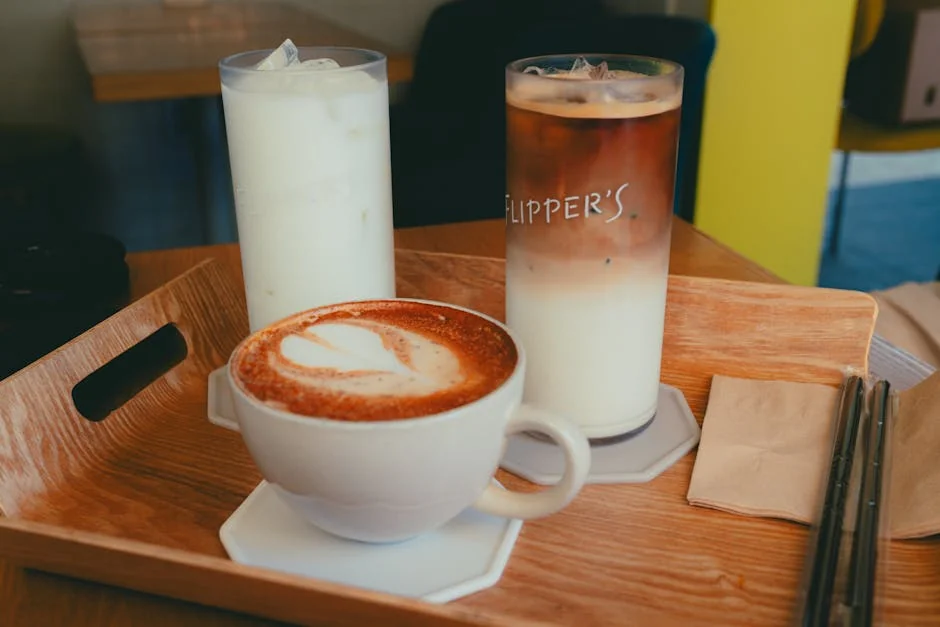
A modern Seoul dessert cafe is a small-to-mid-format venue, typically 30 to 200 square metres, that builds its identity around a plated dessert program (cake, bingsu, parfait, scone, tart, or chef-composed dessert tasting) rather than around coffee or savoury food, and that has been operating on the back of Korea's post-2010 dessert-cafe boom. The category has stratified into five recognisable tiers since around 2015. The top tier is the chef-led reservation patisserie, of which SONA Garosu-gil under chef Hyunah Sung is the canonical example, with dessert tastings in the KRW 35,000 to 60,000 band and bookings handled through NaverPlace or phone only. The second tier is the brand-experience dessert cafe, in which a fashion or eyewear brand operates an in-house dessert program as a gallery-style retail extension — Nudake's Haus Dosan basement under the Gentle Monster brand is the genre-defining venue. The third tier is the concept patisserie, which includes Apgujeong Rodeo's PLD Dosan and Cheongdam's Haap, both of which rebuild traditional Korean confection vocabularies (Earl Grey-on-Earl Grey cake, jeungpyeon-and-citrus bingsu) for a modern presentation. The fourth tier is the cottage-aesthetic European scone-and-tea bakery, of which Cafe Layered Yeonnam is the most replicated reference in Korean dessert-cafe coverage. The fifth tier is the destination-bingsu cafe, anchored on the Hongdae core by Sulbing and Nun Neari Nunsup and on the parfait side by 32 Parfait. Outside these five tiers sit the hotel-adjacent European boulangeries on the Sogong-Myeongdong corridor, which serve as the dependable day-one option for arriving travellers. The standard editorial advice is to weight a Seoul dessert circuit across at least three of the five tiers across two to three days rather than attempt a single concentrated cafe day.
- Tier 1 — Chef-led reservation patisserie (SONA, KRW 35,000 - 60,000 tasting)
- Tier 2 — Brand-experience dessert cafe (Nudake Haus Dosan)
- Tier 3 — Concept patisserie (PLD Dosan Earl Grey, Haap Cheongdam jeungpyeon)
- Tier 4 — Cottage-aesthetic scone bakery (Cafe Layered Yeonnam)
- Tier 5 — Destination bingsu and parfait (Sulbing, 32 Parfait, Colline)
- Adjunct — Hotel-corridor European boulangerie (Sogong / Sinsegae main)

Ten dessert cafes worth the detour across the Seoul dessert geography
Featured picks A through J, organised in the standard editorial loop that Korean dessert-cafe coverage uses across Apgujeong-Cheongdam first as the luxury anchor, Garosu-gil and Sinsa as the concept boutique strip, Yeonnam and Hongdae as the youth-and-Instagram belt, and Sogong-Myeongdong as the hotel-corridor adjunct. Not ranked.
Featured A — SONA (Garosu-gil, Sinsa)
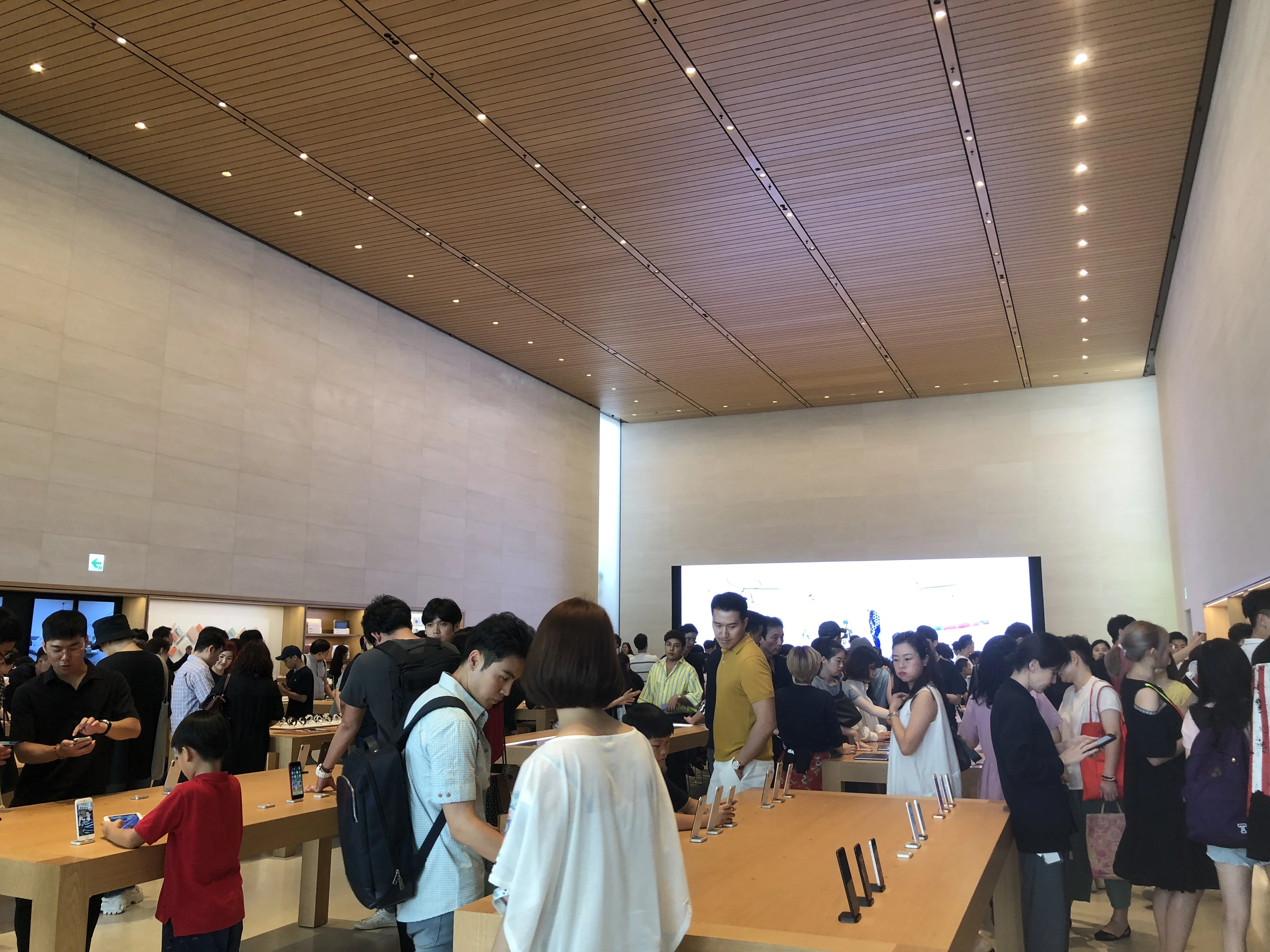
SONA at the Garosu-gil area in Sinsa-dong is the reservation-only chef patisserie that anchors the upper end of the Korean dessert geography. Operated by chef Hyunah Sung and running Wednesday through Sunday 12:00 to 22:00 on a reservation-only basis through NaverPlace and phone, the venue offers plated dessert tastings in the KRW 35,000 to 60,000 band — the Korean dessert-cafe equivalent of a chef-tasting commitment rather than a walk-in coffee stop. The Champagne Sugar Ball, a transparent sugar sphere containing edible flowers and champagne foam inside, is the signature most frequently photographed on Korean dessert lists. The room is small and the seating is timed, which is why advance booking is the standard recommendation for any visitor planning a Garosu-gil dessert window. SONA is the right pick for the visitor who wants to anchor a Seoul dessert day on a chef-led tasting rather than a series of walk-in stops.
Featured B — Nudake Haus Dosan (Apgujeong-Dosan)
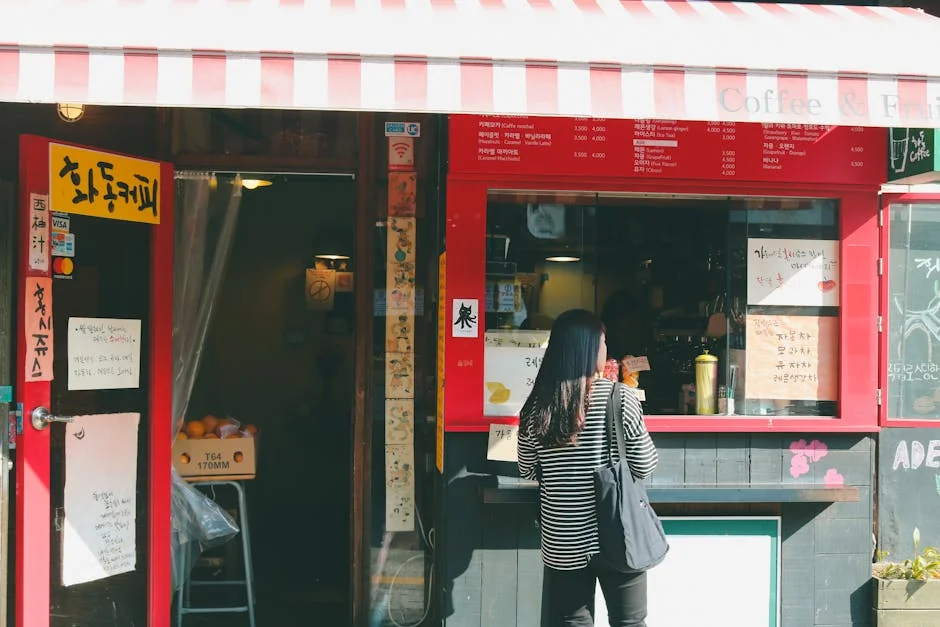
Nudake Haus Dosan at 50 Apgujeong-ro 46-gil in Apgujeong is the basement dessert program of Gentle Monster's brand-universe building, and is the canonical brand-experience dessert cafe in Seoul. Operating daily 11:00 to 21:00 with walk-in seating in the KRW 9,000 to 18,000 per-set band, Nudake combines sculptural cake presentation with gallery-style interior architecture featured in international design press. The Peak, a matcha-coated mountain-shaped cake, and the croissant-art program are the two recurring fixtures, and the basement space sits inside the same building as the Gentle Monster eyewear flagship and the Tamburins fragrance store on upper floors. English menu and English-speaking staff are documented. Nudake is the right pick for the visitor who wants the architectural and design-led end of the Seoul dessert experience.
Featured C — PLD Dosan (Apgujeong Rodeo)
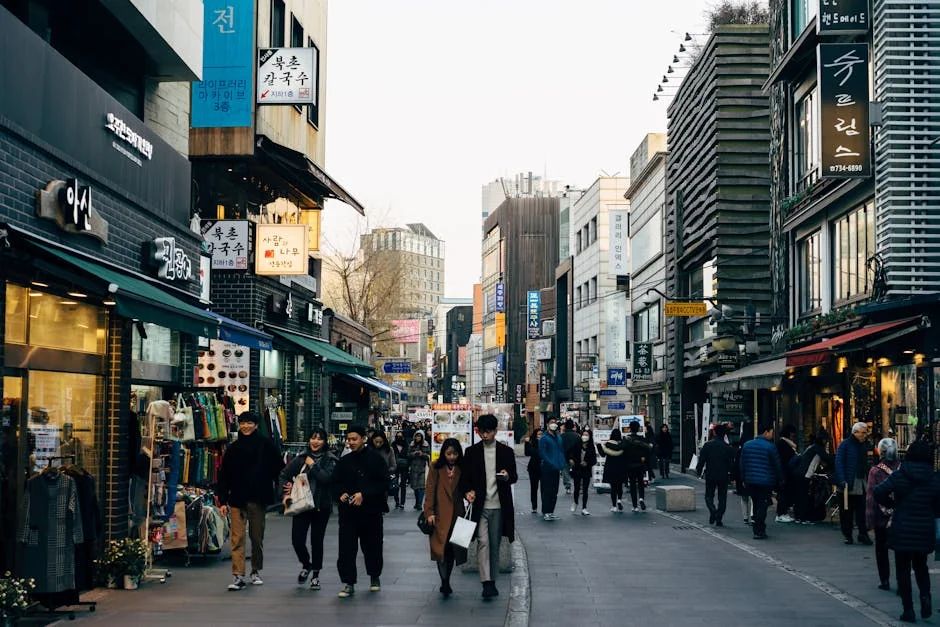
PLD Dosan in the Apgujeong Rodeo area is the Gangnam-side sibling of the original PLD Seongsu and is repeatedly listed among the most artistic dessert cafes in the Apgujeong-Cheongdam zone. Operating daily 11:00 to 21:00 in the KRW 10,000 to 20,000 per-set band, PLD is built around seasonal-ingredient cakes and a specific Earl Grey signature — the Earl Grey tea cake, topped with Earl Grey ice cream and house cookies, is the most frequently referenced item across Korean dessert-cafe coverage. English menus are available. PLD pairs cleanly with a Haus Dosan visit on the same walk, given that the two are less than ten minutes apart on foot inside the Apgujeong-Dosan walking grid.
Featured D — Haap Cheongdam (Cheongdam)
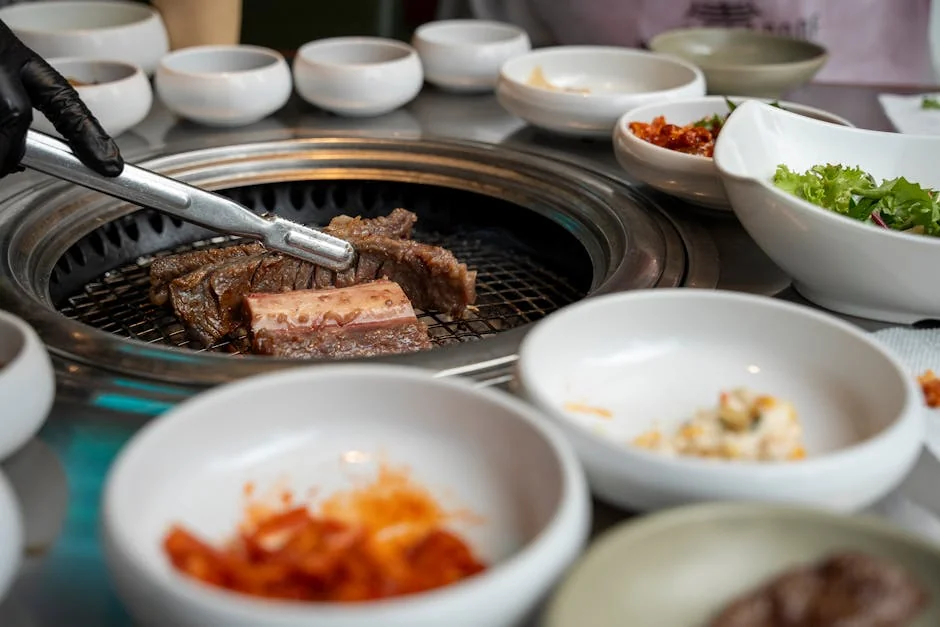
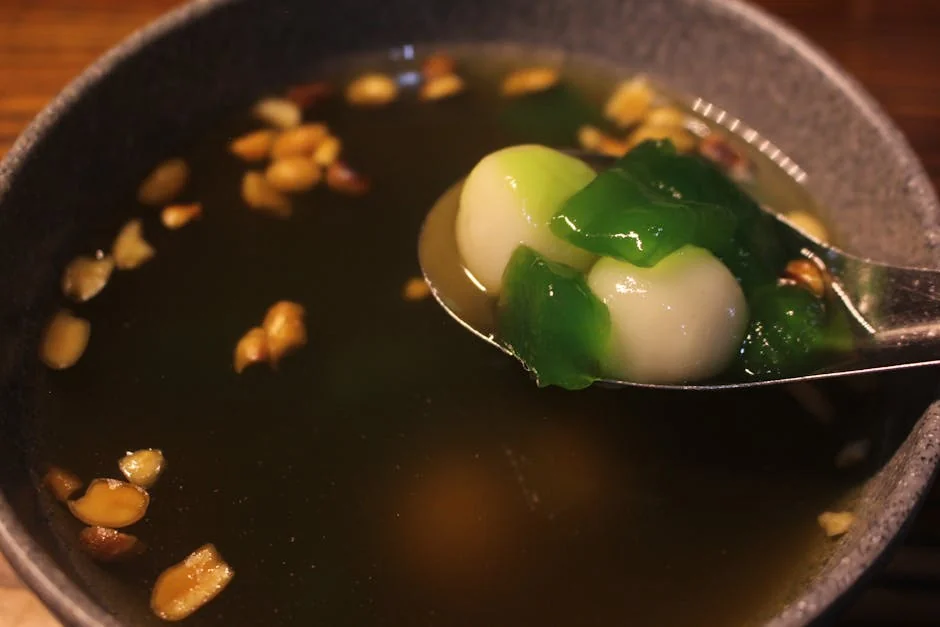
Haap in Cheongdam-dong is one of the most distinctive dessert cafes in the Apgujeong-Cheongdam axis because it deliberately rebuilds traditional Korean confection vocabularies — jeungpyeon (steamed rice cake) and hangwa (traditional Korean confectionery) — inside a modern cafe presentation. Operating daily 11:30 to 22:00 in the KRW 12,000 to 22,000 per-set band, Haap is regularly cited as a stop on Korean-traditional-dessert routes through Cheongdam, and the citrus bingsu, made with fresh lemons and milk, is the single most photographed item on the menu. The cafe has an English menu and walk-in seating, and the location places it on a comfortable Cheongdam walking circuit alongside SongEun ArtSpace and the Sulwhasoo Dosan flagship for a culture-and-dessert combined afternoon. Haap is the right pick for the visitor who wants a traditional-Korean confection vocabulary in a contemporary cafe setting, rather than the European-style cake or French-style patisserie register of the other Apgujeong stops.
Featured E — Upper and Under (Gangnam Station core)
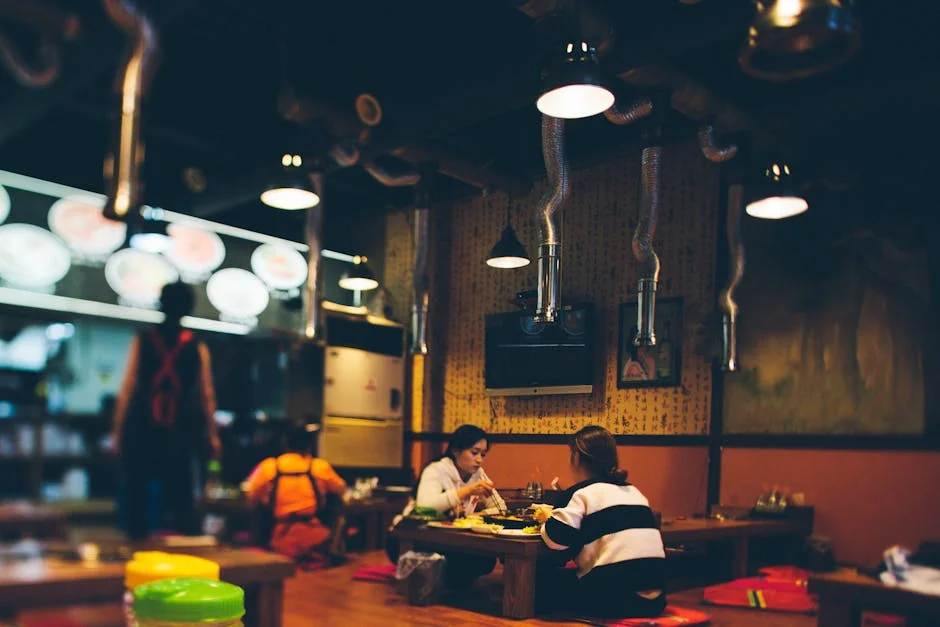
Upper and Under in the Gangnam Station core is the Einspanner specialist that Korean dessert-cafe coverage cites as the calmer alternative to the Garosu-gil and Apgujeong mega-cafes. Operating daily 11:00 to 22:00 in the KRW 8,000 to 14,000 per-set band, the cafe is built around the Einspanner — the Viennese coffee topped with a dense whipped-cream cap that has become a Seoul cafe staple — and a rotating matcha-and-vanilla pastry counter. English menus are available. Upper and Under is the right pick for a dessert break inside a Gangnam Station shopping day and pairs cleanly with a Sinsa or Garosu-gil walk in the same afternoon, given the short subway transfer.
Featured F — Cafe Layered Yeonnam (Yeonnam-dong, Mapo-gu)
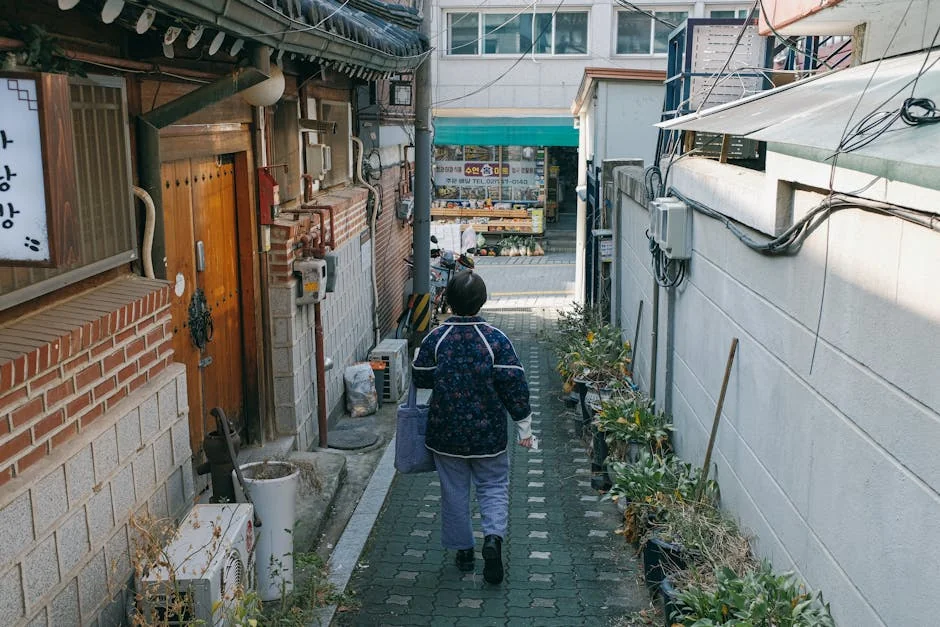
Cafe Layered Yeonnam in Yeonnam-dong is the European cottage-aesthetic scone bakery that anchors the Yeonnam dessert geography and is one of Korea's most replicated cafe aesthetics. The bakery is organised around eleven scone varieties and nine cake varieties, with the Earl Grey scone treated as the iconic anchor item across Korean dessert-cafe coverage. Visit Seoul, Creatrip and Triple all cover Cafe Layered as one of the defining Yeonnam stops, and the European cottage interior is the visual template that subsequent Korean cafe openings have repeatedly referenced. The bakery sits within a short walking distance of Hongik University Station Exit 3 and the Gyeongui Line Forest Park, which makes it the natural mid-afternoon stop on a Yeonnam walking loop.
Featured G — Colline (Hongdae)
Colline in the Hongdae core is the cafe-and-flower-shop hybrid that anchors the floral-aesthetic end of the Hongdae dessert geography. The persimmon bingsu is the signature most frequently referenced on Korean dessert-cafe coverage and the floral interior — fresh-flower arrangements integrated into the cafe seating layout — is the visual driver behind the venue's social-media footprint. Colline sits in the Hongdae alley network near the Hongik University main gate and the Hongdae Mural Street, which places it inside a comfortable youth-and-art walking loop. The cafe is widely covered by Daniel Food Diary and Lemon8. Colline is the right pick for the floral-and-photography end of the Hongdae dessert experience.
Featured H — 32 Parfait (Hongdae)
32 Parfait in the Hongdae core is the local landmark for towering 32-centimetre Korean soft-serve parfaits and is one of the most distinctive dessert-cafe formats in the Mapo-gu walking grid. The venue is built around a single signature — the 32-centimetre soft-serve parfait, layered on a tall glass and topped with a rotating selection of seasonal toppings — and Korean dessert-cafe coverage treats 32 Parfait as the canonical Hongdae stop for a one-item-driven visit. The cafe is covered by Putteringaroundtheworld and the Trazy Blog bingsu coverage. 32 Parfait pairs cleanly with a Colline floral-bingsu stop in the same walking window.
Featured I — Onion Anguk (Anguk / Bukchon, Jongno-gu)
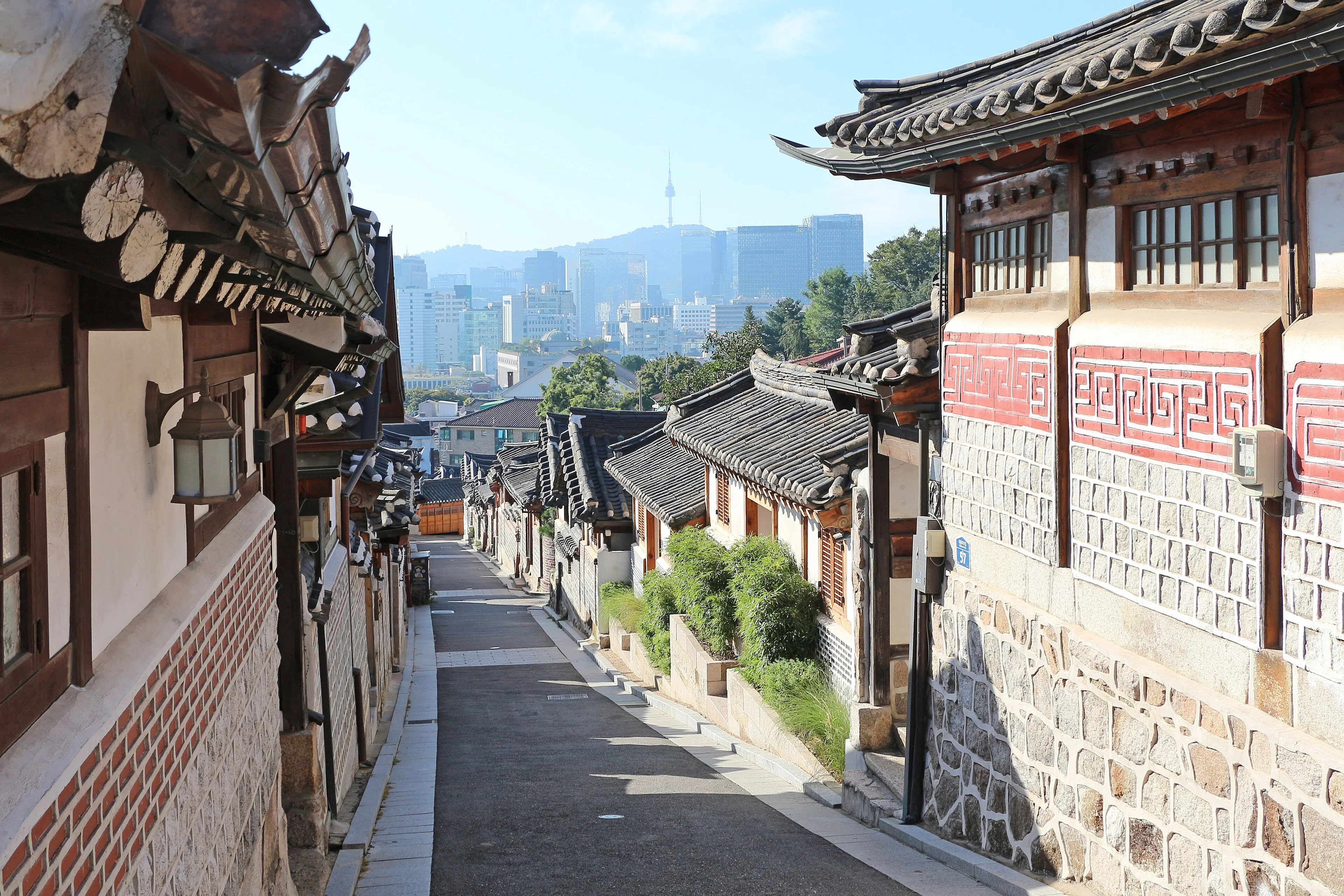
Onion Anguk at 5 Gyedong-gil in Jongno-gu is the hanok-courtyard bakery-cafe that anchors the architecturally distinctive end of the Seoul dessert geography and is widely covered in international Seoul design and travel press. Operating daily 07:00 to 22:00 in the KRW 5,000 to 12,000 per-item band, Onion combines a traditional Korean hanok courtyard layout with a contemporary pastry and bread program. The venue sits two subway stops from the Euljiro-Myeongdong corridor on Line 3 at Anguk Station, and the bakery has an English menu. The location places it on a comfortable Bukchon walking circuit alongside the Changdeokgung palace and the Bukchon Hanok Village, which is why Onion is often treated as the Jongno-gu dessert stop that completes a heritage-and-cafe combined day.
Featured J — The Bakers Table Sogong (Sogong / Myeongdong west)
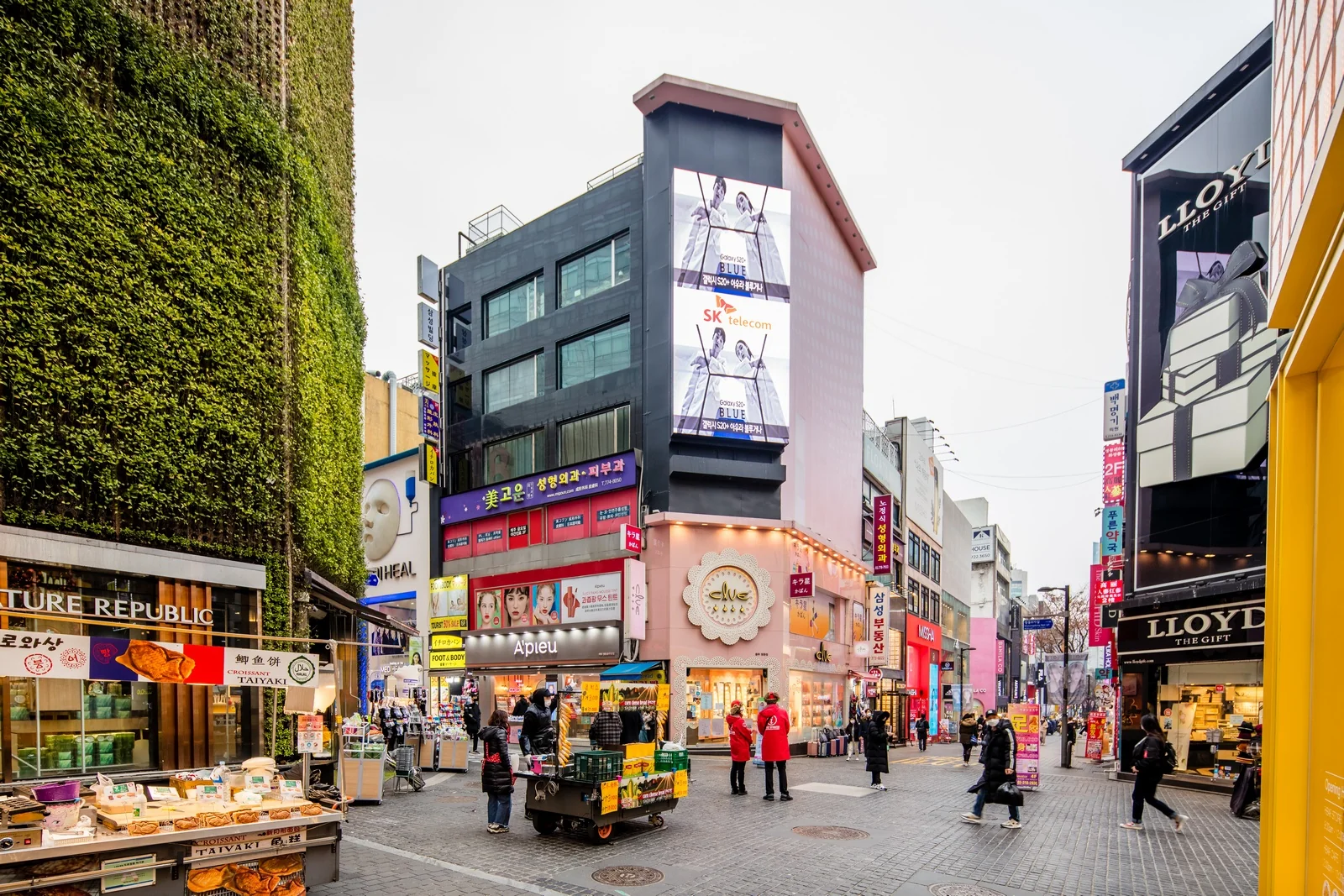
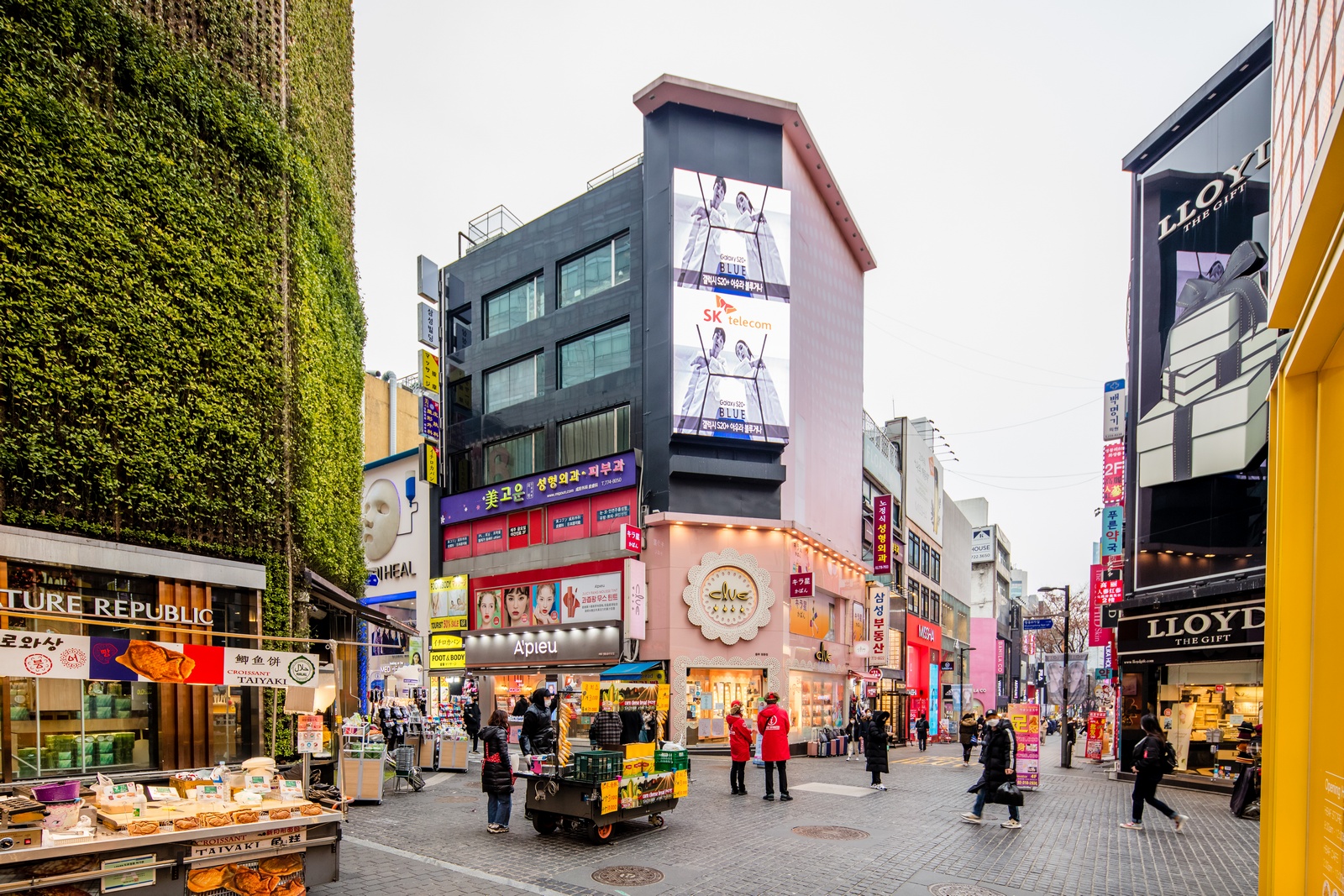
The Bakers Table at Sogong-dong, adjacent to The Westin Josun in central Jung-gu, is the hotel-adjacent European bakery cafe that anchors the dependable day-one option in the Sogong-Myeongdong corridor. Operating 07:30 to 21:00 in the KRW 5,000 to 15,000 per-item band, the bakery is widely referenced in Seoul hotel-dining coverage and serves as the European-style breakfast and morning-pastry venue for the cluster of luxury hotels around Sogong. English menu and English-speaking staff are documented, and the venue is within a five-minute walk of the Westin Josun, the Lotte Hotel Seoul, and the Plaza Hotel cluster. The Bakers Table is the right pick for the arriving visitor who wants a calm European-style bakery stop on a first-day Myeongdong walk.
How the ten dessert cafes compare across format, price band, and subzone
Categorical positioning across cafe format, price band, neighborhood, and reservation requirement. Not ranked.
| Cafe | Format | Subzone | Price band (per set) | Reservation |
|---|---|---|---|---|
| SONA | Chef tasting patisserie | Garosu-gil / Sinsa | KRW 35,000 - 60,000 | Reservation-only via NaverPlace |
| Nudake Haus Dosan | Brand-gallery dessert cafe | Apgujeong / Dosan | KRW 9,000 - 18,000 | Walk-in |
| PLD Dosan | Concept patisserie | Apgujeong Rodeo | KRW 10,000 - 20,000 | Walk-in |
| Haap Cheongdam | Traditional Korean confection | Cheongdam | KRW 12,000 - 22,000 | Walk-in |
| Upper and Under | Einspanner specialist | Gangnam Station core | KRW 8,000 - 14,000 | Walk-in |
| Cafe Layered Yeonnam | European cottage scones | Yeonnam-dong / Mapo-gu | KRW 6,000 - 12,000 | Walk-in |
| Colline | Floral cafe + bingsu | Hongdae core | KRW 10,000 - 18,000 | Walk-in |
| 32 Parfait | Tall soft-serve parfait | Hongdae | KRW 12,000 - 20,000 | Walk-in |
| Onion Anguk | Hanok-courtyard bakery | Anguk / Bukchon | KRW 5,000 - 12,000 | Walk-in |
| The Bakers Table Sogong | European hotel-adjacent boulangerie | Sogong / Myeongdong west | KRW 5,000 - 15,000 | Walk-in |
Visit logistics — transit, reservations, and the standard dessert day
The ten venues split cleanly across two subway corridors. The Apgujeong-Cheongdam-Garosu-gil-Sinsa cluster (SONA, Nudake, PLD, Haap, Upper and Under) is reachable on Subway Line 3 with Apgujeong Station, Apgujeong Rodeo Station on the Bundang Line, and Sinsa Station serving the cluster, and on Line 2 with Gangnam Station serving Upper and Under. The Yeonnam-Hongdae-Anguk cluster (Cafe Layered, Colline, 32 Parfait, Onion Anguk) is reachable on Line 2 at Hongik University Station with Exit 3 for Yeonnam and Exits 8 or 9 for the Hongdae core, and on Line 3 at Anguk Station for Onion. The Bakers Table Sogong sits within a five-minute walk of the Westin Josun and the Plaza Hotel cluster and is reached via City Hall Station on Lines 1 and 2 or via Myeongdong Station on Line 4. Reservation handling differs across the ten. SONA operates on a reservation-only basis through NaverPlace and phone, with English-language reservation flow documented through the platform, and the chef-tasting slots fill in advance during the peak spring and autumn windows — advance booking at least one to two weeks ahead is the standard recommendation. The other nine venues are walk-in, but Colline, 32 Parfait and Cafe Layered have notable weekend wait queues that typically run 20 to 45 minutes during peak afternoons. English menus are documented at SONA, Nudake, PLD, Haap, Upper and Under, Cafe Layered, Onion Anguk and The Bakers Table; the smaller Hongdae venues (Colline, 32 Parfait) have picture-menus that are easy to navigate without Korean. The standard dessert day across the ten venues is an Apgujeong-Dosan walk on day one anchored on a Nudake-PLD-Haap loop with an evening SONA reservation, a Yeonnam-Hongdae walk on day two anchored on a Cafe Layered-Colline-32 Parfait loop, and an Onion Anguk visit added to a heritage-day pairing with the Changdeokgung palace.
- Subway Line 3 anchors the Apgujeong-Sinsa cluster — Apgujeong, Sinsa, Anguk stations
- Subway Line 2 anchors the Yeonnam-Hongdae cluster — Hongik University station, Exit 3 for Yeonnam
- SONA reservation-only — book one to two weeks ahead for peak windows
- Cafe Layered, Colline, 32 Parfait — typical weekend wait 20-45 minutes
- English menus at nine of the ten venues; Colline and 32 Parfait have picture-menus
- Two-day standard split — Apgujeong-Sinsa day one, Yeonnam-Hongdae day two
Seasonal considerations — when each format is at its best
The four seasons read meaningfully differently across the ten venues and several of the signature items are explicitly seasonal. Spring (late March through mid-May) is the cherry-blossom window across the Yeonnam-dong Gyeongui Line Forest Park and the Apgujeong-Dosan walking grid, and the spring opening of patio seating at Cafe Layered and Colline begins in this period. The persimmon bingsu at Colline is a late-autumn-to-winter item; the citrus bingsu at Haap is a spring-to-summer item; and the SONA Champagne Sugar Ball is a year-round signature. Summer (June through August) is the bingsu peak season and the Hongdae-cluster venues (32 Parfait, Colline, Sulbing-pattern bingsu specialists) move materially more product during the June-to-August window — visitors arriving in summer should weight the trip toward the Hongdae walking loop rather than the indoor patisserie tier. Autumn (mid-September through early November) is the optimum dessert season across all five tiers; the European-cottage scone register at Cafe Layered reads particularly well against the autumn light along the Yeonnam-dong tree-lined alleys, and the Onion Anguk hanok courtyard is at its most atmospheric against the autumn maple. Winter (December through February) is the cold-bingsu winter format season and several venues introduce winter-specific items — the persimmon bingsu at Colline peaks in the November-to-January window. The Korea Tourism Organization publishes seasonal travel windows that align with these dessert-cafe seasonal items. The implication for trip planning is that visitors with date flexibility should weight the trip toward the late-September-to-late-October window for the best combination of pleasant outdoor pacing, peak-season cottage-aesthetic light, and the widest seasonal-item availability.
What the Seoul dessert-cafe boom tells you about how to plan the visit
A short historical timeline makes the ten venues legible as a single dessert geography rather than ten disconnected stops. The Korean dessert-cafe boom began effectively in the early 2010s, accelerated by the third-wave coffee movement around Yeonnam-dong and the Apgujeong fashion-and-design corridor, and broke open into the five recognisable tiers between 2015 and 2020. SONA became the reference for the reservation-only chef-patisserie tier, while Nudake's Haus Dosan basement effectively created the brand-gallery dessert tier in Korea. PLD opened in Seongsu before expanding to Dosan, and Haap Cheongdam emerged as the traditional-Korean-confection contemporary venue. Cafe Layered Yeonnam launched the European-cottage scone register that became the most replicated cafe aesthetic in Korean dessert-cafe coverage, and the Hongdae-cluster bingsu chains (Sulbing) and the parfait-as-spectacle format (32 Parfait) consolidated the youth-and-Instagram dessert end of the geography. Onion Anguk expanded the Anguk hanok-bakery format that has been internationally covered since around 2017, and The Bakers Table Sogong has anchored the European hotel-adjacent boulangerie format for the Sogong-Myeongdong hotel corridor. The implication is that a comprehensive Seoul dessert day cannot be done in one afternoon — the five tiers across two geographies require at least two purposefully sequenced days, with the chef-tasting reservation anchored on one of those days and the bingsu-or-parfait spectacle anchored on the other. The standard editorial recommendation is to weight the trip toward two two-cafe walks per day rather than four-cafe walks per day, on the simple ground that dessert portion sizes in Seoul have increased materially since 2018 and four-cafe walks rarely return a meaningful experience at any of the four stops.
Pairing the dessert circuit with the rest of a Seoul trip
The Apgujeong-Cheongdam-Garosu-gil axis is the standard south-of-Han River dessert day in Seoul, and SongEun ArtSpace, the Sulwhasoo Dosan flagship, the Tamburins Sinsa flagship, and the Garosu-gil vintage strip all sit on the same walking grid as Nudake, PLD, Haap, SONA and Upper and Under. The Yeonnam-Hongdae north-of-Han River cluster pairs naturally with the Gyeongui Line Forest Park (Yeontral Park) walking loop, the Hongdae Mural Street, and the Hongdae vintage-shopping cluster. Visitors building a multi-day Seoul itinerary typically anchor day one on a Sogong-Myeongdong base — The Bakers Table for morning pastry, Myeongdong shopping for the afternoon, and a Deoksugung palace walk — then move to an Apgujeong-Dosan dessert day, then to a Yeonnam-Hongdae youth-and-cafe day, with an Anguk hanok-bakery stop folded into a Changdeokgung-Bukchon heritage day. The separate Royal Palaces editorial on this site covers the heritage circuit in detail, and the cafe-and-heritage routes are designed to connect across a single Seoul trip rather than compete for the same days.
“Ten cafes, five tiers, two subway corridors, and one of the most concentrated dessert geographies in Asia. The Seoul dessert circuit reads more usefully as a two-day geographical loop than as a one-day ranked listicle, and the editorial mistake travellers most often make is trying to see all ten in one afternoon instead of weighting the trip toward two two-cafe walks across two days.”
Korea Aesthetic Wire editorial note, May 2026
Frequently asked questions
Which dessert cafe should I prioritise if I only have one afternoon in Seoul?
Nudake Haus Dosan in Apgujeong is the standard one-afternoon dessert pick. The basement dessert program inside the Gentle Monster brand-universe building combines sculptural cake presentation with gallery-style interior architecture, runs daily 11:00 to 21:00 on a walk-in basis in the KRW 9,000 to 18,000 per-set band, and pairs naturally with a Sulwhasoo Dosan flagship walk in the same Apgujeong-Dosan loop. English menu and English-speaking staff are documented, and the venue is one of the easiest first-stop options for international visitors.
Do I really need to pre-book SONA?
Yes, in practice. SONA is a reservation-only chef-tasting patisserie operating Wednesday through Sunday 12:00 to 22:00 on a NaverPlace and phone booking flow only. The KRW 35,000 to 60,000 dessert tastings are timed-seating, and English-language slots fill in advance during the peak spring and autumn windows. For visitors travelling in October or April, advance booking at least one to two weeks ahead is the standard recommendation. NaverPlace handles international reservations and accepts international card payment.
Which dessert cafe pairs best with a hotel stay in Myeongdong?
The Bakers Table Sogong is the standard hotel-adjacent dessert pick for visitors staying in the Westin Josun, the Lotte Hotel Seoul, the Plaza Hotel or the wider Sogong-Myeongdong cluster. The European-style bakery cafe operates 07:30 to 21:00 in the KRW 5,000 to 15,000 per-item band, sits within a five-minute walk of all three hotels, and is widely referenced in Seoul hotel-dining coverage. For an Anguk hanok-bakery option from the same Myeongdong base, Onion Anguk is two subway stops on Line 3.
Is bingsu only a summer dessert in Seoul?
No, but the Hongdae-cluster bingsu venues move materially more product in the June-to-August window. Sulbing operates year-round and the persimmon bingsu at Colline peaks in the November-to-January window. The citrus bingsu at Haap Cheongdam is a spring-to-summer item built around fresh lemons and milk. Visitors arriving in winter who want the bingsu experience should anchor on the Colline persimmon item or the Sulbing injeolmi (rice-cake powder) signature rather than the citrus-led summer items.
What is the Einspanner and where should I try it in Seoul?
The Einspanner is the Viennese coffee topped with a dense whipped-cream cap that has become a Seoul cafe staple, and Upper and Under in the Gangnam Station core is the dedicated specialist most frequently cited in Korean dessert-cafe coverage. The cafe operates daily 11:00 to 22:00 in the KRW 8,000 to 14,000 per-set band, runs a rotating matcha-and-vanilla pastry counter alongside, and is positioned as the calmer alternative to the Garosu-gil and Apgujeong mega-cafes for a quick dessert break.
How do I sequence a two-day Seoul dessert circuit?
The standard editorial pattern splits the ten venues across two days. Day one anchors on the south-of-Han River cluster — a Nudake morning, a PLD or Haap midday walk, and an evening SONA reservation if booked. Day two anchors on the north-of-Han River cluster — a Cafe Layered Yeonnam late-morning, a Colline floral-bingsu midday, and a 32 Parfait spectacle stop in the afternoon. Onion Anguk is folded into a separate Anguk-Changdeokgung heritage day. The Bakers Table Sogong sits on the arrival or departure day.
Are there English menus and English-speaking staff at these dessert cafes?
English menus are documented at SONA, Nudake Haus Dosan, PLD Dosan, Haap Cheongdam, Upper and Under, Cafe Layered Yeonnam, Onion Anguk and The Bakers Table Sogong. English-speaking staff are documented at SONA reservation flow, Nudake counter, The Bakers Table, and the Apgujeong-Dosan brand-experience cafes. The smaller Hongdae venues (Colline, 32 Parfait) operate with picture-menus that are easy to navigate without Korean. For SONA reservation handling, NaverPlace provides an English-language flow.
Can I visit a dessert cafe on a recovery day from a treatment or medical-tourism trip?
Yes, with two practical filters. First, weight the trip toward walk-in venues with comfortable seating rather than reservation-only chef tastings — Nudake, PLD, Haap, Upper and Under, Cafe Layered and Onion Anguk are the easiest recovery-day picks. Second, anchor on indoor-seating cafes rather than queue-heavy weekend spots — visit Cafe Layered on a weekday rather than a Saturday afternoon. The Apgujeong-Dosan cluster is particularly well-suited because it is a short subway transfer from the central Seoul hotel cluster.